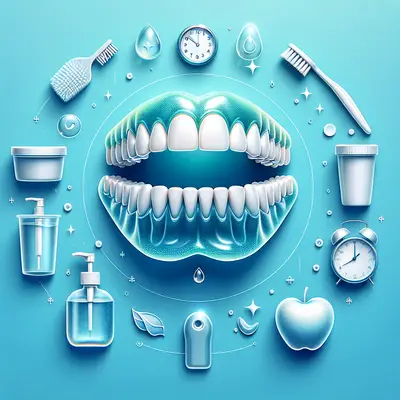
For discerning denture wearers, oral care is no longer a matter of simple function—it’s an extension of personal style, self-respect, and daily ritual. The objective is not merely a serviceable smile, but a comfortable, elegant one that feels as natural at a quiet dinner as it does in a boardroom or at a black-tie event.
This guide moves past generic advice and explores subtle, often-overlooked refinements—five exclusive insights that elevate denture care from routine maintenance to a curated experience.
The Art of Fit: Micro-Adjustments for All-Day Poise
A denture may technically “fit,” yet still feel subtly wrong by late afternoon—a faint pressure point, a whisper of movement when you laugh, or a soft click when you speak. These are not inevitable inconveniences; they are signals that your bite, alignment, or base contact requires micro-adjustment.
Your prosthodontist or dentist can make exquisitely fine modifications that transform your daily comfort:
- Occlusal refinement: Tiny refinements to the biting surfaces can reduce jaw fatigue, prevent uneven pressure, and make chewing feel more balanced and effortless.
- Border shaping: Adjusting the edges of the denture base improves how it interacts with your lips, cheeks, and tongue—substantially enhancing speech and stability without visible changes.
- Soft-tissue mapping: Guided by pressure-indicating paste, your clinician can identify exactly where the denture over-presses the gums and correct it with precision.
Scheduling a brief refinement appointment every 12–18 months (or sooner if you notice changes in comfort) helps maintain that “first-week” elegance of fit. Aging, weight change, and subtle bone resorption alter the landscape of your mouth; refined adjustments ensure your dentures follow that evolution instead of resisting it.
Temperature, Texture, and Taste: Curating a More Enjoyable Dining Experience
Many denture wearers accept a muted dining experience as the price of their prosthetics. In reality, a few carefully chosen habits can restore much of the pleasure, nuance, and confidence associated with refined dining.
Consider enhancing meals with attention to:
- Temperature intelligence: Extremely hot foods can warp some denture materials over time and increase the risk of burns, since the acrylic partially insulates the palate. Allow hot dishes to cool for a brief moment; this protects both your appliance and your oral tissues while preserving taste.
- Texture strategy: Start each meal with a “confidence bite” of something soft yet flavorful—like a tender piece of fish or steamed vegetables—to reorient your bite and jaw muscles. Then gradually introduce firmer textures, cutting them into smaller, elegant pieces.
- Bilateral chewing: Distribute food evenly on both sides of your mouth. This stabilizes the denture and minimizes rocking, which not only feels more secure but also makes your movements appear more poised and controlled.
- Palate stimulation: Because dentures can cover portions of the palate, flavors may seem subdued. Enhance dishes with fragrant herbs, citrus zest, or aromatic oils—elements that stimulate aroma and bypass some of the lost subtlety caused by palatal coverage.
Instead of avoiding “challenging” foods entirely, reframe dining as a curated experience: choose textures thoughtfully, prepare ingredients with intention, and enjoy the confidence that comes from technical control.
The Invisible Schedule: A 24-Hour Approach to Denture Elegance
Many people treat denture care as a quick morning and evening task. A more refined approach recognizes that the true luxury is not just cleanliness, but continuity—knowing your smile, breath, and comfort are impeccably maintained across an entire day.
Consider this elegant 24-hour rhythm:
- Morning reset: After brushing your gums, tongue, and any remaining teeth, gently brush your dentures with a soft brush and nonabrasive cleanser. Insert them only after your mouth feels completely fresh and moisturized (but not coated in thick products that might affect adhesion).
- Midday discreet refresh: Keep a compact kit in your bag or desk—alcohol-free mouthrinse, soft tissue wipes, and sugar-free xylitol mints. A brief mid-day rinse not only revives your breath but also removes food residues that could cause irritation.
- Evening reprieve: Removing your dentures at night is an understated luxury for your oral tissues. It allows the mucosa to rest, improves circulation, and reduces the risk of irritation and infection—particularly oral candidiasis.
- Overnight immersion: Soaking dentures in a recommended cleansing solution (never hot water) removes biofilm and stains more effectively than brushing alone. It is the nocturnal equivalent of a fine fabric resting on a shaped hanger instead of being crumpled in a drawer.
This continuous, unobtrusive care structure offers more than hygiene; it creates a sense of quiet confidence that your smile is always presentation-ready, without dramatic effort.
Subtle Soft-Tissue Care: The Foundation Beneath the Smile
A sophisticated denture routine is not only about the prosthesis—it’s about the tissues that support it. Healthy gums and oral mucosa are the true foundation of comfort and longevity.
Elevated soft-tissue care involves:
- Daily gum and palate brushing: Using a soft toothbrush or ultra-soft brush, gently cleanse your gums, tongue, and palate. This stimulates circulation, removes plaque, and reduces the risk of bad breath and fungal overgrowth.
- Hydration as a tool, not an afterthought: Adequate water intake helps maintain natural saliva flow, which is your body’s finest natural lubricant and cleanser. For those prone to dry mouth (often due to medications), saliva substitutes or gels can dramatically transform comfort and adhesion.
- Targeted moisturizing: Alcohol-free mouthrinses and specifically formulated oral moisturizers can prevent the micro-abrasions and irritation that make dentures feel “scratchy” or unstable.
- Early-response protocol: At the first sign of redness, soreness, or a small ulcer, remove the denture and allow the area to rest. If irritation persists beyond a couple of days, seek professional evaluation—small issues addressed early prevent dramatic adjustments or infections later.
Treat your gums and oral tissues as you would fine leather or silk: they are the delicate, indispensable substrate that determines how well everything above them performs and ages.
Precision Cleanliness: Going Beyond “Looks Clean” to “Truly Clean”
Denture cleanliness is often evaluated visually—no obvious stains, no visible debris. But under magnification, plaque and microscopic deposits can cling tenaciously to acrylic surfaces, contributing to odor, irritation, and fungal imbalance.
To refine your cleaning ritual:
- Dedicated tools only: Use a soft denture brush (not a standard hard toothbrush) and a cleanser formulated specifically for dentures. Regular toothpaste is often too abrasive and can create microscopic scratches that harbor bacteria.
- Dual-phase cleansing: First, lightly brush to remove surface debris. Then, soak in an effervescent or professionally recommended cleaning solution to dissolve biofilm and stains that brushing alone cannot reach.
- Rinse with intention: After soaking, rinse thoroughly under cool running water. Pay extra attention to the inner surfaces that contact the gums—these areas are critical to comfort and hygiene.
- Case hygiene: Your storage container should be cleaned and dried regularly. A pristine appliance stored in a neglected case is akin to placing a pressed garment into a dusty drawer.
By thinking in terms of microbiological elegance—reducing invisible buildup and preserving smooth surfaces—you extend the life of your dentures and maintain a level of freshness that others notice without quite knowing why.
Conclusion
A refined denture experience is not defined by a single dramatic intervention, but by a series of subtle, thoughtful choices: micro-adjustments for fit, curated dining habits, an invisible 24-hour care rhythm, meticulous soft-tissue attention, and precision-level cleanliness.
For the discerning wearer, these exclusive insights transform dentures from a necessary device into an integrated part of a composed, confident life. When your dentures feel natural, your smile no longer draws attention to itself; it simply supports the way you move through the world—with ease, assurance, and quiet sophistication.
Sources
- American College of Prosthodontists – Dentures Overview – Professional guidance on types of dentures, fit, and care considerations
- Mayo Clinic – Dentures: Common Questions and Care Tips – Practical information on daily denture care, adjustments, and comfort
- Cleveland Clinic – Dentures: Uses, Types, Procedure & Care – Detailed discussion of cleaning methods, soft-tissue health, and long-term maintenance
- National Institute of Dental and Craniofacial Research (NIDCR) – Evidence-based information on tooth replacement options and oral health implications
- Journal of Prosthodontic Research – Denture Cleansers and Hygiene – Research-based insight into denture cleansing strategies and biofilm control
Key Takeaway
The most important thing to remember from this article is that this information can change how you think about Denture Care.