A denture is far more than a replacement for missing teeth; it is an intimate object you wear every day, shaping how you speak, smile, eat, and even how you feel in your own skin. The choice between different denture types is not merely clinical—it is deeply personal. When approached thoughtfully, the process becomes less about compromise and more about curation: selecting a solution that harmonizes with your lifestyle, aesthetics, and long-term comfort.
This guide explores key denture types in a refined, practical way—and then moves beyond the basics, offering five exclusive insights that discerning denture wearers often discover only after years of experience.
The Modern Landscape of Denture Types
Today’s dentures are not the uniform, one‑size‑fits‑all solutions they once were. Advances in materials, digital design, and implant technology mean that the conversation now centers around customization rather than mere substitution.
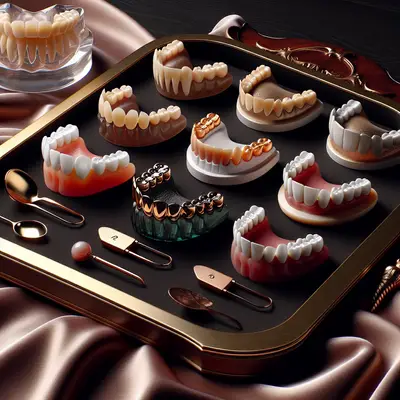
Traditional complete dentures rest on the gums, replacing all teeth in the upper or lower arch. They remain the most accessible option and can be crafted with surprising subtlety in tooth shape, shade, and gum contour. Properly designed, they can look remarkably natural and feel secure when fitted and maintained well.
Partial dentures fill spaces where several teeth are missing but some natural teeth remain. They can be metal‑based, acrylic, or flexible resin. A refined partial denture integrates seamlessly into the existing dentition, echoing the shape and color of neighboring teeth and preserving the natural curve of the smile.
Implant‑supported dentures introduce another level of stability and luxury. By anchoring the denture to dental implants placed in the jawbone, they reduce movement during speaking and chewing, protect against bone loss, and can feel far closer to natural teeth. These come as overdentures that snap on and off implants or as fixed hybrid bridges that are only removable by a clinician.
Emerging options—such as digitally designed dentures created from 3D scans and CAD/CAM milling—offer precise fits and reproducibility. They can be elegantly remade or adjusted because the digital files preserve your customized design, like a sartorial pattern held on file by a trusted tailor.
Matching Denture Types to Your Lifestyle, Not Just Your Mouth
The most sophisticated denture choice acknowledges that your life is not lived in the dental chair. A premium solution respects your work, social habits, and daily rituals.
If you travel frequently or maintain a demanding schedule, the reliability and stability of implant‑supported dentures can be transformative. They minimize the small, nagging worries—like unexpected slipping in a critical meeting or at a formal dinner—that chip away at confidence.
For those who value flexibility or anticipate future dental changes, removable partials or traditional complete dentures may offer an adaptive path. They can be modified as teeth are lost or as the jawbone naturally remodels, preserving a sense of control over evolving needs.
Aesthetic priorities matter as well. If your smile is central to your personal or professional identity, a digitally crafted premium complete or partial denture allows fine‑tuned control over tooth translucency, gum contouring, and natural asymmetry. This nuance—avoiding the “perfect but artificial” look—is what often sets a high‑end denture apart from a standard one.
Your dentist or prosthodontist should be asking not only “What fits your mouth?” but also “What fits how you live, perform, dine, and present yourself?” The answers to those questions should guide the type of denture you choose.
The Subtle Power of Materials and Design Details
Viewed up close, two dentures may look similar; yet in daily wear, the differences in materials and design become unmistakable.
Base materials vary from conventional acrylic to high‑impact, fracture‑resistant resins, flexible polymers, and titanium or cobalt‑chrome frameworks for partials. A carefully chosen framework can offer superior thinness and strength, avoiding that bulky feeling some wearers quietly tolerate.
Teeth themselves can be economy-grade acrylic, high‑density wear‑resistant composites, or porcelain. Higher-end options are sculpted with layered translucency and slight surface character—tiny ridges, delicately varied coloration—so they catch the light more like natural enamel. This matters in photos, under strong lighting, and at close conversational distance.
The palate design of an upper denture can also be customized. In some cases, an implant‑supported upper prosthesis allows the palate to be kept open, enhancing taste, texture perception, and speech clarity. For those who entertain or dine out frequently, this can elevate the experience of food and drink back toward what it once was.
Subtle gumline customization—slight variations in color, gentle contours, the hint of natural root prominence beneath the surface—prevents the uniform, artificial look that often betrays a denture. These are the quiet luxuries that only reveal their value in a mirror, a photograph, or a candid smile.
Five Exclusive Insights Experienced Denture Wearers Appreciate
Beyond the technical language of “types” and “materials” lies the lived reality of wearing dentures every day. These five insights often emerge only with time; knowing them in advance allows you to make more informed, elegant choices from the beginning.
1. Micromovements Matter More Than “Fit”
A denture can be clinically “well‑fitting” yet feel subtly untrustworthy because of micro‑movements during speech or chewing. These tiny shifts—sometimes imperceptible to others—are often what undermine your ease in social settings.
Implant‑supported options typically excel here, but even traditional dentures can be refined to reduce micromovement: careful adjustment of pressure points, re‑lining to restore contact after bone changes, and precise balancing of bite forces. A truly premium solution focuses not only on whether the denture stays in but on how still it feels when you speak naturally, laugh, or eat something with texture.
2. Your Facial Profile Is as Important as Your Smile
Different denture types influence not just your teeth but the overall structure of your lower face. Without tooth roots, the jawbone gradually resorbs, leading to a “collapsed” or aged appearance around the mouth and cheeks.
Implant‑supported dentures can slow this bone loss, preserving vertical height and lip support. Even with traditional dentures, a carefully designed occlusal (bite) height and fullness in the denture flange can subtly restore lost volume in the lips and lower face. When evaluating denture types, request profile photos—side views—during the try‑in stage. A sophisticated prosthesis supports the face as harmoniously as it completes the smile.
3. Digital Denture Files Are a Quiet Form of Insurance
Digitally designed dentures, whether implant‑supported or conventional, create a long‑term advantage that is easy to overlook: your entire denture design—bite, tooth alignment, tooth shape, and base contours—is stored as a digital record.
If you lose or damage your denture, or require a backup for travel, your clinician can often have an identical or improved version milled without starting from scratch. For those who value continuity, consistency, and minimal disruption, this digital blueprint functions like a bespoke pattern kept by a high‑end tailor—ready to be recreated when needed.
4. The Transition Experience Differs Dramatically by Type
What is rarely discussed openly is how different the first weeks feel with different denture types.
A conventional complete denture may require a short period of adaptation—learning to control movement with the tongue and cheeks, using adhesive at times, and gradually reintroducing more challenging foods. An implant‑supported overdenture, by contrast, often feels more stable from the beginning, but may involve a longer overall treatment timeline due to surgery and healing.
For some, a staged approach is ideal: starting with a well‑crafted conventional denture, then upgrading to implant support when emotionally and financially prepared. Understanding this trajectory in advance allows you to plan—not just for the end result, but for the quality of the journey.
5. Fine‑Tuned Adjustments Are a Mark of True Luxury
Premium care is not defined solely by the first delivery of the denture but by the refinement that follows. The most comfortable, natural‑feeling dentures are almost never “perfect” on day one—they become perfect through a series of thoughtful adjustments.
Subtle reshaping of edges to match your speech patterns, fine polishing where the tongue glides, selective adjustment of bite points to eliminate tiny interferences—all of these can transform a good denture into an exceptional one. Scheduling and valuing these follow‑up visits is part of a refined care philosophy: instead of tolerating minor discomforts, you collaborate with your clinician to reach a standard that quietly enhances every moment of your day.
Navigating the Conversation With Your Clinician
Approaching your denture consultation as a curated dialogue—not a quick transaction—helps ensure a result that feels truly tailored.
Arrive prepared to discuss how you use your teeth: Do you frequently speak publicly? Do you enjoy crusty breads, steak, or complex cuisine? Do you value absolute discretion about your dental work, even at close range? These details influence whether an implant‑supported solution, a premium conventional denture, or a high‑end partial will serve you best.
Ask to see examples of different denture types in person whenever possible, paying attention not just to the teeth but to the gumline, the thickness of the base, and how light interacts with the materials. Inquire about long‑term maintenance expectations, the possibility of future upgrades to implants, and whether digital records will be kept of your design.
A sophisticated denture journey is collaborative: your clinician provides technical mastery; you provide clarity about your lifestyle, standards, and aspirations. The intersection of those two domains is where the right denture type reveals itself.
Conclusion
Choosing among denture types is not a simple clinical decision—it is a design choice that touches your confidence, your enjoyment of food, your facial aesthetics, and the ease with which you move through social and professional life. Whether you select a meticulously crafted traditional denture, a discreet partial, or an implant‑supported solution, the goal is the same: a result that feels as natural to your identity as it does to your bite.
By understanding the nuances of modern denture options, recognizing the quiet importance of materials and micromovements, and embracing a process of fine‑tuned adjustment, you can transform dentures from a necessary replacement into a refined, everyday luxury—quietly present, elegantly effective, and fully aligned with the life you lead.
Sources
- American College of Prosthodontists – Dentures Overview – Explains different types of dentures, their indications, and what to expect from treatment
- Mayo Clinic – Dentures: How to Care for Them – Covers practical aspects of living with dentures and maintenance considerations
- Cleveland Clinic – Dentures and Partial Dentures – Provides an accessible overview of complete, partial, and implant-supported dentures
- National Institutes of Health (NIH) – Dental Implants – Discusses implants as a foundation for implant-supported dentures and their impact on bone health
- Harvard School of Dental Medicine – Restorative Dentistry Insights – Offers context on restorative and prosthetic approaches, including modern prosthodontic principles
Key Takeaway
The most important thing to remember from this article is that this information can change how you think about Denture Types.