For the discerning wearer, dentures are no longer a mere replacement for missing teeth; they are a curated blend of aesthetics, function, and lifestyle. Choosing the right type is less about ticking a box—full, partial, implant-supported—and more about orchestrating a solution that aligns with how you speak, dine, smile, and age. This guide moves beyond basic definitions to explore how contemporary denture types can be tailored to support a life lived with quiet confidence and refined ease.
Understanding the Modern Denture Landscape
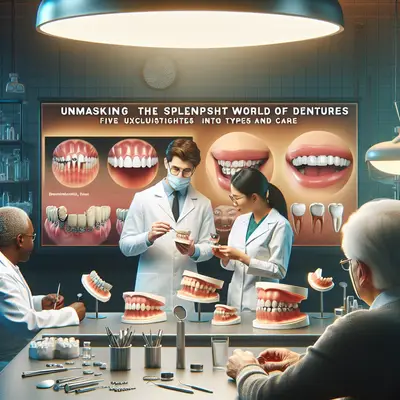
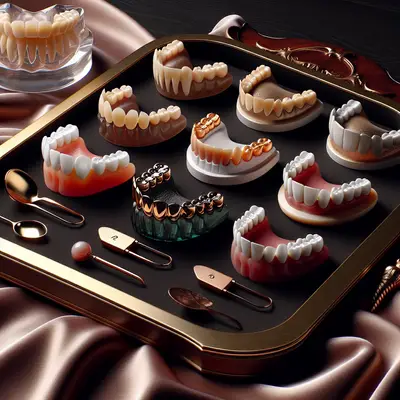
Today’s denture options span far beyond the traditional “plate in a glass” image. At one end of the spectrum are conventional full dentures, crafted to replace an entire arch of teeth and supported by the gums alone. At the other are sophisticated implant-supported and implant-retained prostheses, in which titanium fixtures in the bone provide a stable foundation for a removable or fixed restoration. Between these lie partial dentures—both metal-framed and flexible resin options—designed to harmonize with remaining natural teeth while preserving bite and facial structure.
What differentiates these types is not only how they look, but how they feel and perform in real life. Materials range from high-impact acrylics and precision-milled resins to cobalt-chrome frameworks and advanced composite teeth with layered translucency that mimic natural enamel. The choice is less about “good, better, best” and more about aligning comfort, appearance, maintenance, and long-term oral health with your personal preferences. A thoughtful conversation with a prosthodontist or experienced dentist can reveal how each type fits into the nuances of your daily rituals—from your preferred cuisine to your professional demands.
Full vs. Partial: Curating Harmony With Your Existing Smile
When considering full versus partial dentures, the most refined approach begins with a simple question: what can and should be preserved? Partial dentures, when well designed, do more than fill gaps—they protect alignment, help distribute bite forces, and support facial contours. They can be anchored with carefully placed clasps or precision attachments that integrate discreetly with crowns on natural teeth, creating an elegant, nearly invisible transition.
Full dentures, by contrast, become the primary architectural structure of your smile. On the upper arch, a well-crafted full denture leverages the palate for suction and stability, while minimizing thickness to preserve speech and taste. Lower full dentures are inherently more challenging due to tongue movement and reduced surface area; here, subtle design choices—flange height, contouring, and tooth positioning—can dramatically influence comfort and control. Many wearers find that a conventional upper denture paired with an implant-stabilized lower represents a sophisticated balance between performance and practicality.
The Elevated Standard: Implant-Supported and Implant-Retained Dentures
Implant-based dentures represent the modern benchmark for stability and confidence. In an implant-retained system, a removable denture “snaps” onto attachments anchored in the jawbone, offering a secure fit while allowing the prosthesis to be removed for cleaning. Implant-supported bridges or hybrid dentures, on the other hand, can be fixed in place, functioning more like natural teeth and often requiring professional removal only during maintenance visits.
Beyond comfort, the true refinement of implant-assisted options lies in their impact on long-term oral and facial health. By transmitting chewing forces into the bone, implants help slow the bone resorption that typically reshapes the jaw after tooth loss, preserving lip support and lower facial contours. For those who value discretion, this can mean a more stable, youthful facial profile over time, with less day-to-day adjustment. While implant therapy requires a greater initial investment and a commitment to meticulous hygiene, many wearers describe the result as a quiet return to normalcy in how they eat, speak, and smile.
Material Matters: Aesthetic and Functional Nuances in Denture Design
Dentures may appear simple on the surface, but their materials are carefully selected to balance strength, esthetics, and comfort. Acrylic resin remains the foundation of most denture bases, chosen for its adaptability, ease of adjustment, and capacity to be tinted to harmonize with your natural gum tones. Higher-end options often use layered acrylic or composite systems to mimic the subtle color variations and translucency of natural gingiva, particularly important when the smile line reveals more gum tissue.
Tooth materials have evolved considerably. Premium denture teeth are designed with layered shades, characterized surface textures, and varying translucency at the incisal edges to avoid a uniform, “flat” appearance. For partial dentures, cobalt-chrome frameworks offer durability and a thinner, more refined profile compared with all-acrylic designs, while flexible nylon-based resins can be used in select cases for a softer, more adaptable fit around delicate tissues. Each choice—rigid versus flexible, high-impact versus standard acrylic, premium composite versus basic resin teeth—subtly influences wear, longevity, stain resistance, and, most importantly, how “natural” the denture feels as part of you.
Five Exclusive Insights Discerning Denture Wearers Appreciate
1. Micro-Adjustments Make a Macro Difference
The first set of dentures is a starting point, not a finish line. Precision adjustments—smoothing a millimeter of acrylic near a tendon attachment, subtly reshaping a tooth to guide your bite, or refining the thickness of the palate—can transform the experience from “acceptable” to “effortless.” Sophisticated wearers schedule intentional follow-up visits early on, treating these refinements as part of the fitting process rather than a sign of failure.
2. Your “Bite Signature” Is as Individual as a Fingerprint
Every person’s occlusion—how the upper and lower teeth meet—has a unique pattern. Modern denture planning often involves detailed bite registration and, in some practices, digital scans or facebow records to capture your natural jaw movements. When your denture type and design honor this personal “bite signature,” you’re less likely to experience jaw fatigue, muscle soreness, or the subtle tension that can undermine day-long comfort.
3. Hybrid Approaches Often Deliver the Most Refined Outcome
You do not need to live at the extremes of “basic removable” or “fully fixed.” Many sophisticated solutions combine elements: an implant-retained lower denture with a carefully crafted conventional upper, a flexible partial in one quadrant and a metal-based partial in another, or strategic use of crowns and attachments to anchor a removable prosthesis without visible clasps. Discussing blended approaches with your provider can uncover options that match your lifestyle, not just your anatomy.
4. Lip Support and Facial Contours Are Part of the Prescription
Thoughtful denture design considers far more than tooth shade and shape. The position and fullness of the denture base can subtly restore lip support, soften nasolabial folds, and rebalance facial proportions affected by tooth loss and bone resorption. The most refined outcomes emerge when you and your clinician review not only intraoral photos and impressions, but also full-face images to ensure your chosen denture type supports the aesthetic you wish to present to the world.
5. Long-Term Elegance Depends on Planned Maintenance
Every denture type, from traditional to implant-supported, evolves over time. Bone and soft tissues shift, and the way the denture sits, supports, and functions must be periodically recalibrated. Planning for relines, professional cleanings, and periodic remakes—typically every 5–10 years depending on wear and changes—ensures your prosthesis keeps pace with you. Sophisticated wearers treat this like maintaining fine eyewear or a tailored suit: scheduled upkeep that preserves both function and refinement.
Choosing With Intention: Aligning Denture Type With Lifestyle
Selecting a denture type becomes far more empowering when the conversation moves from “What can be done?” to “What do I want my daily life to feel like?” Those who travel frequently may value the simplicity of well-fitting removable dentures and compact care kits. Culinary enthusiasts might prioritize implant-stabilized options that allow them to enjoy a broader range of textures with greater confidence. Individuals with a history of gum sensitivity may benefit from more flexible base materials or designs that minimize coverage of delicate tissues.
Budget and health realities play a role, but they need not dictate a compromise in dignity or comfort. Many clinicians can stage treatment—beginning with a transitional option and moving to a more advanced design over time—or tailor a solution that offers stability and beauty within realistic parameters. The key is a clear, candid dialogue about expectations: how you wish to look, what you hope to eat, how much maintenance you accept, and how you envision your smile supporting the life you lead.
Conclusion
Modern denture types offer a spectrum of possibilities that extend well beyond simple tooth replacement. From thoughtfully crafted full dentures to precisely integrated partials and sophisticated implant-supported solutions, the contemporary wearer has the opportunity to select a smile that is not only functional, but deeply aligned with personal taste, lifestyle, and long-term well-being. When you approach dentures as a refined, custom-tailored investment—supported by expert guidance, nuanced design, and planned maintenance—you elevate them from a clinical necessity to an integral part of a life lived with poise and quiet assurance.
Sources
- American College of Prosthodontists – Dentures Overview - Comprehensive explanation of denture types, indications, and what to expect from treatment
- Mayo Clinic – Dental Implants - Details on implant procedures and how implants support prosthetic teeth
- Cleveland Clinic – Dentures - Practical overview of full, partial, and implant-supported dentures, including care considerations
- National Institute of Dental and Craniofacial Research (NIDCR) - Evidence-based information on tooth replacement options and their impact on oral health
- Harvard School of Dental Medicine – Tooth Loss and Replacement - Discussion of the functional and structural consequences of tooth loss and modern replacement strategies
Key Takeaway
The most important thing to remember from this article is that this information can change how you think about Denture Types.