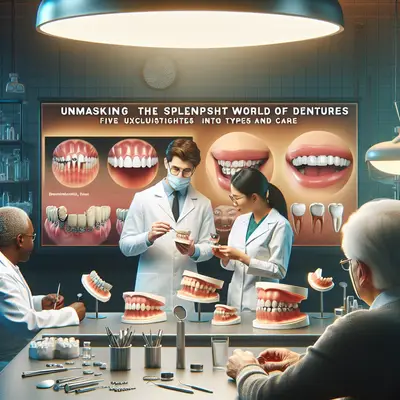
The world of dentures is often presented as a simple choice between “full” and “partial.” In reality, the landscape is far more nuanced—and far more interesting. For discerning wearers, understanding these subtleties is not just about function; it is about comfort, aesthetics, long-term oral health, and how seamlessly your prosthetic teeth integrate with your lifestyle. This guide moves beyond the standard overview of denture types and focuses instead on refined distinctions, premium options, and subtle design decisions that elevate the entire experience.
Understanding the Modern Denture Spectrum
Dentures are no longer a single, generic solution. Instead, they exist on a spectrum that ranges from fully removable appliances to sophisticated, implant-supported systems that feel almost indistinguishable from natural teeth. Complete dentures typically replace all teeth in an arch (upper, lower, or both), while partial dentures fill in gaps around remaining natural teeth, using precision attachments or clasps for stability.
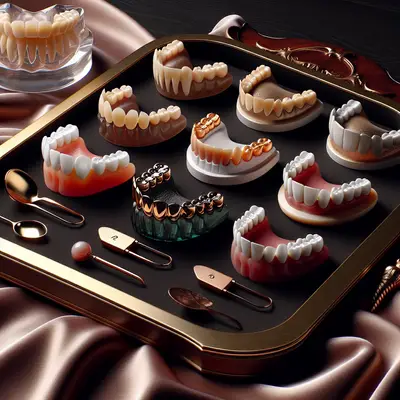
Within these broad categories, the materials, design philosophy, and retention methods can vary substantially. Conventional acrylic dentures, metal-based partials, flexible resin options, and implant-retained or implant-supported prostheses each offer a distinct balance of aesthetics, durability, and comfort. The modern approach is less about “which type is best” and more about “which configuration best reflects your anatomy, your priorities, and your expectations.” When you view denture types through this lens, the conversation naturally becomes more curated and individualized.
From Conventional to Implant-Supported: A Continuum, Not a Switch
Many people imagine a firm divide between “traditional” dentures and “implant dentures,” but it is more accurate to think of a continuum of stability. At one end are conventional removable dentures that rely on suction, anatomy, and sometimes adhesive. They remain a practical option, particularly for those who prefer non-surgical solutions. Slightly further along are overdentures—removable dentures that clip or snap onto a small number of dental implants. These dramatically enhance retention while still allowing easy removal for cleaning.
Toward the more advanced end are fully implant-supported fixed prostheses—often referred to as “fixed hybrid dentures” or “all-on-x” restorations. These are secured to several implants and are not removed at home. They provide the closest functional experience to natural teeth, particularly in terms of chewing confidence and minimizing movement. Understanding where you wish to be on this continuum—fully removable, semi-removable with implant support, or fully fixed—guides every other decision about materials, design, and cost.
Material Matters: Acrylic, Metal Frameworks, and Flexible Resins
While many discussions of denture types focus on form (full vs partial, removable vs fixed), the materials used in their fabrication quietly shape daily life. Traditional full dentures are commonly made of acrylic resin, chosen for its ease of adjustment, lifelike appearance, and ability to be relined or repaired. Higher-end acrylics, layered with carefully shaded denture teeth, can provide a polished, natural-looking smile that resists staining and wear more gracefully.
Partial dentures often incorporate a cobalt-chromium metal framework, which adds strength while allowing for a more refined, less bulky design. The framework can be engineered for subtle, well-hidden clasps that minimize visible metal when you speak or smile. Flexible partial dentures, generally made from nylon-based resins, offer a more forgiving feel and can be visually discreet, especially in the aesthetic zone. However, they may be more challenging to adjust and repair. A premium, tailored solution may even combine multiple materials—metal for internal support, acrylic for contouring, and high-quality composite or porcelain denture teeth for a sophisticated, natural effect.
Five Exclusive Insights for the Discerning Denture Wearer
Beyond the obvious differences between denture types, there are quieter, more refined considerations that experienced wearers often come to appreciate. These insights can help you ask better questions, collaborate more effectively with your clinician, and curate a more elevated denture experience.
1. The “Soft-Tissue Harmony” Factor
Not all dentures are designed with equal respect for your soft tissues. Premium designs consider how the denture flange rests against the cheeks and lips, how gently the borders transition into the gum line, and how pressure is distributed across the palate and ridge. A well-crafted denture can subtly support the lips and lower third of the face, softening lines and restoring facial volume, rather than merely replacing teeth.
Fixed implant-supported options, particularly in the upper jaw, may also be designed to avoid excessive coverage of the palate, improving your ability to perceive temperature and taste nuances. When you discuss denture types, ask specifically how each option will interact with your gums, lips, and facial profile—not just your bite.
2. Precision Bite Design: Balancing Power and Grace
The way your denture teeth are arranged—known as occlusal scheme—is a critical but often under-discussed aspect of denture types. Balanced occlusion, lingualized occlusion, and monoplane setups are not just technical phrases; each approach influences how stable your dentures feel during chewing, how easily they dislodge, and how much stress is transferred to your jaw and underlying bone.
More premium denture workflows incorporate careful bite registration, digital scans, and sometimes even trial setups or “test drives” of tooth positioning. This attention to occlusal detail can mean the difference between dentures that function tolerably and dentures that allow you to dine, converse, and laugh with quiet confidence.
3. Aesthetic Layering: Beyond “White Teeth”
The shade and shape of denture teeth are only the beginning of aesthetic refinement. High-end dentures take advantage of multi-layered teeth with subtle translucency at the edges, varied internal shading, and minute irregularities that mimic natural enamel. The “gums” can also be artistically characterized with slight color variations and surface texture, avoiding the flat, overly uniform look that often gives dentures away.
Some implant-supported restorations use porcelain or high-end composite materials to further elevate the visual effect, especially for patients with a high smile line. When evaluating denture types, ask about premium aesthetic upgrades, not just the basic color chart. The type of prosthesis you choose (standard acrylic denture vs. implant-supported hybrid) can expand or limit the level of aesthetic customization available.
4. Long-Term Bone Preservation and Facial Structure
Denture type has profound implications for the long-term architecture of your face. Conventional removable dentures sit on top of the gums and do not stimulate the underlying bone in the way natural teeth or implants do. Over time, this can accelerate bone resorption, leading to a more collapsed appearance of the lower face and the need for more frequent relines or even remaking the denture.
Implant-retained and implant-supported dentures help preserve bone by transmitting functional forces through the implants into the jaw, mimicking the role of roots. For those who are particularly concerned about facial aesthetics and long-term stability, exploring implant-based options is less about luxury and more about strategic preservation. This is not simply a technical preference; it is a choice that can influence your facial profile for decades.
5. Maintenance Pathways: How Your Choice Ages Over Time
Not all denture types age in the same way. Conventional acrylic dentures may require periodic relines as your bone and soft tissues change, but they are generally straightforward to adjust, repair, or rebase. Metal-based partial dentures can offer long-term structural stability, though changes in your remaining teeth may require more intricate adjustments or, eventually, a redesigned framework.
Implant-supported prostheses reduce many of the frustrations of movement and sore spots but introduce their own maintenance pathway: diligent implant hygiene, periodic professional checks of screws and attachments, and the possibility of replacing worn components over time. A refined decision about denture type always includes a discussion about “how this will live with me” over five, ten, or fifteen years. The most elegant choice is not only beautiful on delivery—it remains serviceable, adaptable, and comfortable as you move through different stages of life.
Matching Lifestyle With Denture Type
While clinical factors matter, your day-to-day life should guide the final decision just as strongly. Those who travel frequently, entertain often, or maintain a highly public-facing role may benefit from the stability and discretion of implant-retained or implant-supported dentures, reducing worries about slippage during key conversations or events. The ability to bite into firmer foods with confidence can also restore a sense of normalcy that many professionals and social connectors deeply value.
Conversely, individuals who prefer to avoid surgery or who prioritize simpler up-front cost structures may gravitate toward well-crafted conventional dentures, enhanced by precise fit and high-quality materials. Partial denture wearers with strategic, healthy remaining teeth can leverage those teeth as natural anchors, achieving surprisingly refined function and aesthetics without full-arch solutions. When you and your dental team evaluate denture types through the lens of how you actually live—your routines, your social rhythms, your culinary preferences—the right choice often becomes clearer and more personal.
Conclusion
Choosing among the many denture types available today is less about picking from a catalog and more about curating a tailored solution—one that respects your anatomy, your lifestyle, and your standards. From conventional full and partial dentures to sophisticated implant-supported systems, each option carries its own aesthetic possibilities, maintenance profile, and long-term implications for oral and facial health. By looking beyond basic labels and engaging with subtle details—soft-tissue harmony, bite design, aesthetic layering, bone preservation, and aging pathways—you transform dentures from a necessary appliance into an integral, thoughtfully designed part of your daily elegance.
Sources
- American College of Prosthodontists – Complete Dentures – Clinical overview of complete dentures, indications, and considerations
- Mayo Clinic – Dental Implants – Explains how implants work and why they help preserve bone
- Cleveland Clinic – Dentures: Types, Care & Complications – Describes different denture options and basic care guidance
- National Institute of Dental and Craniofacial Research (NIDCR) – Tooth Replacement – Government resource on replacement options, including dentures and implants
- Journal of Prosthodontic Research – Implant overdentures and quality of life – Research article reviewing how implant overdentures affect function and patient satisfaction
Key Takeaway
The most important thing to remember from this article is that this information can change how you think about Denture Types.