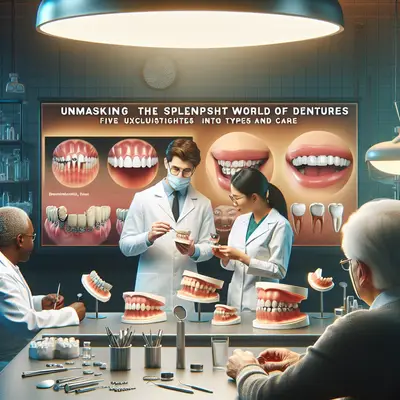
For discerning wearers, dentures are no longer a mere clinical necessity—they are a crafted extension of personal style, comfort, and confidence. Today’s prosthetic options go far beyond the “standard plate” of decades past, offering nuanced choices in materials, design, and customization. Understanding these options allows you to collaborate with your dentist or prosthodontist on a result that feels less like a medical device and more like a bespoke accessory you happen to wear every day.
This guide explores the principal denture types available now, then moves into five exclusive, under‑discussed insights that help elevate your experience from simply functional to quietly exceptional.
Mapping the Modern Denture Landscape
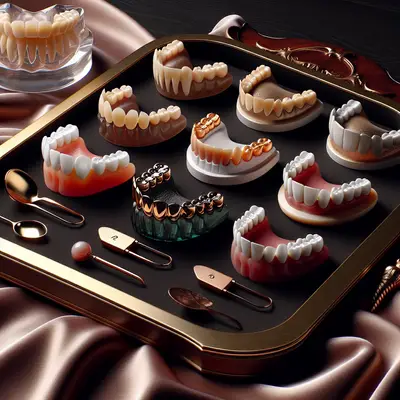
While terminology can differ slightly between clinics, most contemporary dentures fall into a few primary categories, each with distinct advantages and considerations:
Complete (Full) Dentures
These replace an entire arch of teeth—upper, lower, or both. Traditionally made from acrylic, they rest on the gums and are shaped to follow the contours of your mouth. A premium set will prioritize:
- Detailed characterization of teeth (subtle translucency, slight variation in shade, natural contours)
- Meticulous adaptation to the palate or mandibular ridge to enhance stability
- Careful lip and cheek support for a refined, balanced facial profile
Partial Dentures
When some natural teeth remain, partial dentures fill the gaps and help maintain bite alignment. They may be:
- Cast metal partials: A cobalt-chromium framework with acrylic teeth; known for durability and a thinner, more refined feel.
- Flexible partials: Often made from nylon-based materials, these avoid metal clasps and can blend more discreetly with the gums.
Partial dentures are especially reliant on precise design so they harmonize with existing teeth in color, shape, and alignment.
Implant-Supported Dentures
Here, dental implants act as anchors, transforming the experience for many wearers. Two common formats:
- Implant-retained overdentures: The denture “snaps” on to locator attachments or bars, improving stability while remaining removable for cleaning.
- Fixed implant bridges or hybrid dentures: These are screwed into implants and removed only by the dentist, offering a near “non-removable” feel.
Implant solutions are ideal if you prioritize secure function, a strong bite, and minimal movement while speaking or dining.
Immediate Dentures
Placed the same day teeth are removed, immediate dentures prevent you from going without teeth during healing. However, gums and bone remodel significantly in the following months, so relines or a more definitive new set are typically required for an optimal long-term fit.
Specialty and Premium Custom Dentures
For patients who expect a highly individualized result, advanced options may include:
- High-impact, stain-resistant acrylics
- Multi-layered composite or porcelain teeth with lifelike translucency
- Precision attachments that minimize visible clasps
- Enhanced digital design and milling for consistent fit
These elevated prosthetics sit at the intersection of engineering and aesthetics, often yielding a more natural, “unnoticeable” outcome in both function and appearance.
Five Exclusive Insights to Refine Your Denture Choice
Beyond the basic comparison of “full vs partial” or “implant vs traditional,” certain subtleties quietly transform your day-to-day experience. These five insights are often overlooked in routine consultations—but they matter profoundly if you value finesse and long-term satisfaction.
1. The Palate Design Quietly Shapes Taste, Speech, and Comfort
For upper dentures in particular, the way the palate is shaped, thinned, or even partially relieved can significantly affect how you experience food and conversation.
- Thickness and contour: A slightly thinner, well‑reinforced palate can enhance your perception of temperature and texture, bringing enjoyment closer to that of natural teeth.
- Palatal relief zones: Your clinician can sometimes contour or slightly relieve non-critical areas to restore a better sense of the roof of your mouth, aiding speech clarity and comfort.
- Implant consideration: An implant-supported upper denture may allow for a more open or horseshoe‑shaped design, dramatically enhancing taste and reducing the “covered palate” sensation.
Discuss palate design explicitly; it is not merely a structural detail but a sophisticated lever for elevating daily enjoyment.
2. Tooth Form and Arrangement Influence More Than Appearance
Many patients choose tooth shade and stop there, yet the shape and arrangement of denture teeth subtly affect facial aesthetics, speech, and how your lips move when you smile or speak.
Key elements to consider:
- Tooth morphology: Softer, rounded tooth forms can complement delicate facial features, while more angular forms lend a stronger, bolder expression.
- Incisal edge position: Millimeters matter—too long and you may struggle with certain consonants; too short and the smile can appear “worn” or aged.
- Midline and symmetry: A precisely aligned midline that suits your facial structure (not just the dental arch) can make the prosthesis look remarkably natural.
- Customized characterization: Slight rotations, tiny spacing, or subtle variation in tooth length can mimic the individuality of natural teeth rather than the uniformity of a “denture look.”
Ask to review tooth molds, photographs, or digital previews. A premium practice will welcome your involvement in these aesthetic nuances.
3. Tissue Contact and Border Shaping Decide How “Secure” Your Denture Feels
What most people describe as “looseness” often stems less from the teeth themselves and more from how the denture base meets and hugs the underlying tissues.
Important considerations:
- Border molding: During impressions, your dentist can shape the edge extensions so the denture uses natural muscle movements (lips, cheeks, tongue) to stabilize rather than dislodge it. This is precision artistry, not a mere technicality.
- Suction vs mechanical retention: For upper dentures, a well‑crafted peripheral seal can create a gentle, reliable suction. For lowers, where suction is more limited, careful border shaping and, if possible, implants can be transformative.
- Material finish: A satin‑smooth, polished border where the denture meets movable tissues can minimize irritation and make the “edge” almost imperceptible as you speak and eat.
Request that your clinician walk you through their impression and border molding philosophy; a meticulous approach at this stage pays dividends for years.
4. Strategic Material Choices Influence Longevity and Discretion
Different parts of the denture can be constructed from different materials, tailored to your lifestyle, bite forces, and aesthetic priorities.
Examples of elevated combinations:
- High-impact acrylic bases to resist fracture for those prone to dropping dentures or who have higher bite forces.
- Porcelain or nano-hybrid composite teeth at the front for more lifelike translucency and wear resistance, paired with slightly more forgiving materials in less visible areas.
- Cast metal frameworks in partial dentures for a thinner, more precise fit, then thoughtfully positioned tooth-colored clasps or precision attachments to keep metal discreet.
While flexible partials can be visually pleasing, they may be more challenging to adjust or repair; a refined plan often balances discretion with practicality and long-term resilience.
5. Planning for Future Change Is an Underrated Luxury
Bones remodel, soft tissues shift, and your preferences may evolve. The most sophisticated denture plan anticipates this instead of treating your current set as a permanent endpoint.
Points to discuss in advance:
- Reline strategy: Ask about the expected timeline for your first reline (especially after extractions) and how often reevaluation is recommended thereafter. Proactive relines preserve fit and comfort rather than waiting for obvious slippage or soreness.
- Implant “upgrade path”: Even if implants are not feasible now, your dentist can design your dentures with future implant positioning in mind, potentially simplifying later conversion to implant-retained options.
- Spare or “occasion” dentures: Some patients commission a secondary set—perhaps slightly lighter in shade or with a subtly different tooth form—for travel, emergencies, or special events, maintaining both continuity and choice.
- Digital records: Clinics using digital scans and CAD/CAM workflows can more easily recreate or refine your dentures if they’re lost or damaged, an invaluable reassurance.
Thinking a step ahead turns denture wear from reactive problem‑solving into a curated, evolving experience.
Partnering with a Prosthodontist for a Truly Tailored Result
While many general dentists provide excellent dentures, patients who desire a particularly nuanced outcome may benefit from consulting a prosthodontist—a specialist in restorative and prosthetic dentistry. Their training emphasizes complex bite dynamics, implant integration, and advanced aesthetics.
An elevated denture experience often includes:
- Extended consultation time focused on your facial proportions, speech, and lifestyle
- Diagnostic mock-ups or try-ins that let you preview tooth form, arrangement, and smile line
- A deliberate conversation about chewing efficiency, social confidence, and maintenance habits—not just “does it fit?”
View your denture provider as a design partner. The more candidly you share your priorities—food enjoyment, public speaking, subtle aesthetics—the more precisely your prosthesis can be shaped to match.
Conclusion
Selecting a denture type is far more nuanced than choosing between “full” and “partial.” From palate design to tooth morphology, border shaping to material choices, every detail can be orchestrated to support a life that feels unhurried, confident, and quietly assured.
When you approach dentures as a crafted, evolving part of your personal presentation—rather than a basic medical appliance—you unlock options that align with your standards in every other aspect of your life. Engage deeply in the planning stage, ask sophisticated questions, and partner with a clinician who welcomes that level of refinement. The result is not just a restored smile, but a prosthetic that disappears into your daily routine—leaving only comfort, ease, and an authentically you expression.
Sources
- American College of Prosthodontists – Dentures Overview – Clinical descriptions of complete, partial, immediate, and implant-supported dentures
- Mayo Clinic – Dentures: What to Expect – General guidance on types of dentures and adaptation considerations
- National Institutes of Health (NIH) – Implant-Supported Overdentures Review – Research-based discussion of benefits and considerations for implant-retained dentures
- Cleveland Clinic – Dentures: Types, Care and More – Practical overview of denture types, care routines, and adjustment period
- Harvard School of Dental Medicine – Prosthodontics Specialty Information – Background on prosthodontic training and expertise in complex prosthetic solutions
Key Takeaway
The most important thing to remember from this article is that this information can change how you think about Denture Types.