Denture selection today is no longer a binary choice between “full” or “partial.” For the discerning wearer, it is an exercise in personalization—balancing aesthetics, comfort, function, and long-term oral health. Modern prosthetics offer an array of materials, designs, and technologies that can be tailored as thoughtfully as a bespoke suit. This refined overview of denture types focuses not merely on what exists, but on how to choose with intention—so your prosthetic smile feels as considered as any other part of your personal presentation.
Reframing Denture Types: From “Standard” to Curated Options
Traditional language divides dentures into full and partial, removable and fixed. While technically accurate, such terms overlook the nuance that truly matters to a sophisticated wearer. Contemporary dentistry instead invites you to think in layers:
- Base structure: complete dentures, partial dentures, or implant-supported designs
- Attachment style: removable, fixed, or “hybrid” (fixed but removable by your dentist)
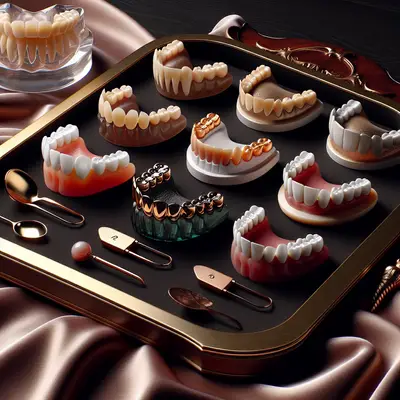
- Material palette: acrylics, metal frameworks, high-impact resins, flexible polymers, and various ceramic or composite teeth
- Aesthetic philosophy: from “perfectly uniform” to subtly natural, including slight variations in tooth shape, translucency, and alignment
Within this framework, full dentures may be purely tissue-supported, or stabilized by implants for superior retention. Partial dentures may rely on metal clasps, precision attachments, or discreet implant abutments. Implant-supported bridges and overdentures can offer near-natural chewing efficiency, preserving bone and facial contours. Rather than simply accepting “a denture,” you are in a position to commission a tailored prosthetic solution that aligns with your lifestyle, priorities, and standards of refinement.
Full, Partial, and Implant-Supported: Understanding the Architectural Foundations
At the broadest level, denture types fall into three architectural families, each with distinct implications for comfort, appearance, and maintenance.
Complete (Full) Dentures rest on the gums and replace all teeth in an arch. High-quality versions are custom-molded to the contours of your mouth, with carefully selected tooth shapes and shades. When well-designed, they support the lips and cheeks, helping maintain youthful facial proportions. However, because they sit on soft tissue, they may require adjustments as the underlying bone remodels over time.
Partial Dentures replace only the missing teeth, harmonizing with the remaining natural dentition. They can be fabricated with a metal framework, acrylic base, or flexible material. Advanced options minimize visible metal clasps, using precision attachments or carefully concealed anchorage to maintain a clean aesthetic. For many, a partial can be a sophisticated transitional solution while preserving remaining teeth.
Implant-Supported Prosthetics—including implant overdentures and fixed implant bridges—anchor to titanium implants in the jaw. This architecture delivers enhanced stability, improved biting efficiency, and better preservation of bone. An overdenture may still be removable for cleaning, while a fixed bridge is gently unseated by your dentist when needed. For those seeking a “barely-there” feel, this category often provides the most elevated experience, though it requires a greater investment of time, surgical planning, and resources.
The Material Palette: Acrylics, Metals, Flexibles, and Ceramics
The substance of your denture profoundly shapes its feel, longevity, and appearance. A refined choice goes beyond “white teeth, pink base” and considers how each material interacts with your daily life.
Acrylic Resin is the workhorse of denture bases: lightweight, easily adjusted, and capable of lifelike gum coloration. Premium acrylics can mimic subtle capillaries and natural gum textures, lending a more organic appearance. High-impact variants resist fractures and can be polished to a satin smoothness that feels pleasing against the tongue and cheeks.
Cobalt-Chromium Frameworks bring strength and slimness to partial dentures. Their rigidity allows for thinner, more precise designs that feel less bulky, while retaining superior durability. When thoughtfully designed, visible metal can be minimized or strategically placed for discretion.
Flexible Denture Materials (often nylon-based) offer a “soft embrace” around the gums and teeth, with gentle flex that improves initial comfort and retention. While not ideal for every case—especially where precise bite control is needed—they can be invaluable for those with metal sensitivities or aesthetic concerns about clasps.
Teeth Materials—typically acrylic or porcelain—each have their own character. Acrylic teeth integrate well with the base, absorb some impact (which can protect opposing teeth or restorations), and are more easily adjusted. Porcelain or high-quality composite teeth offer superior wear resistance and a glass-like translucency that can be strikingly natural, particularly when chosen in shades and shapes guided by your age, complexion, and facial features.
A sophisticated denture plan often blends materials: for instance, a cobalt-chromium framework with acrylic base and premium composite teeth, or an implant-supported titanium bar beneath an acrylic or hybrid prosthesis—each chosen deliberately, not by default.
Five Exclusive Insights for the Refined Denture Wearer
Beyond the usual advice, there are subtler considerations that elevate a denture from merely functional to quietly exceptional. These five insights are especially valuable for wearers who prioritize both comfort and cultivated aesthetics.
1. Tooth Arrangement Can Echo (or Enhance) Your Original Smile
Many assume dentures must deliver a “perfect” Hollywood alignment. In reality, the most sophisticated designs often incorporate intentional imperfection: a slight rotation, a gentle asymmetry, or a subtly varied incisal edge length. This can:
- Make the prosthetic appear more authentically “yours”
- Avoid the uncanny, overly uniform look often associated with basic dentures
- Harmonize with older photographs of your natural teeth, preserving your recognizable smile identity
Sharing photographs from earlier in life, or describing how you wish your smile to feel (youthful, understated, classic, bold), allows your dentist and lab to design a tooth arrangement that aligns with your personal aesthetic narrative.
2. The “Phonetics Appointment” is Worth Insisting On
Advanced denture protocols often include a phonetic evaluation—testing how you pronounce certain sounds with trial dentures in place. Fine-tuning tooth position, vertical dimension (how “open” your bite is), and the thickness of material behind the front teeth can dramatically improve:
- Pronunciation of “s,” “f,” “v,” and “th” sounds
- Clarity of speech on phone calls and in meetings
- Confidence when speaking at close range in quiet environments
Requesting a dedicated phonetics check with your trial denture is a subtle yet powerful way to ensure your prosthetic is not just aesthetically pleasing, but socially effortless.
3. Your Lip Support is as Important as Tooth Shade
While many patients focus on tooth color, lip support and profile often have a greater impact on how youthful and balanced the face appears. The contour and projection of the denture’s front teeth and gum area influence:
- The natural fullness of the upper lip
- The reduction or accentuation of fine lines around the mouth
- The side profile, particularly the transition from nose to lip to chin
During try-ins, view your face in profile and at conversational distance, not just in close-up mirrors. Subtle adjustments in tooth angle, position, or labial flange thickness can restore or refine facial harmony in ways a shade chart alone cannot achieve.
4. Implant Placement Strategy Shapes Future Options
For those considering implants—now or later—the strategic placement of implants can keep your prosthetic future flexible. Thoughtful planning may allow:
- A removable overdenture today, convertible to a fixed bridge later
- Fewer implants in carefully chosen locations, without sacrificing stability
- A staged investment: starting with two implants and upgrading to four as desired
This approach requires collaboration between your general dentist, surgeon, and lab. For discerning patients, the conversation should go beyond “how many implants?” to “how can we place these to preserve your best options over the next 10–20 years?”
5. A Second “Occasion Denture” Can Be a Strategic Luxury
For patients who value flawless presentation at key moments (public speaking, major events, frequent travel), commissioning a second, occasion-focused denture can be remarkably practical:
- One prosthesis may be tailored for maximum day-to-day comfort and ease of cleaning
- The second can be optimized for aesthetics, with slightly whiter shade, crisper anatomy, or even subtle cosmetic features reserved for special settings
- Having a second set also provides an elegant contingency plan in case of damage or repair needs
Far from indulgent, this dual-denture strategy can be a measured investment in both confidence and continuity—especially for those whose professional or social lives demand consistently polished appearances.
Elevating the Consultation: How to Advocate for a Bespoke Denture
To achieve a truly refined outcome, the process matters as much as the product. When consulting with your dentist or prosthodontist, consider requesting:
- Aesthetic planning with photographs: full-face, profile, and close-up images to guide tooth selection and arrangement
- Wax or digital try-ins: so you can assess not just fit, but expression, speech, and overall harmony before final fabrication
- Discussion of implant feasibility: even if you ultimately decide against implants now, understanding the landscape helps you make an informed, future-ready choice
- Material conversation: clarifying why specific bases, frameworks, and tooth materials are being recommended for your case and priorities
Approach your denture plan as you would any significant, long-term investment—one that deserves questions, options, and personalization. When thoughtfully designed and meticulously maintained, modern dentures can transcend their clinical origins and become a quiet expression of your standards: discreet, assured, and entirely your own.
Conclusion
The era of generic dentures is over for those willing to engage in a more elevated, collaborative process. By understanding the structural families, material possibilities, and nuanced design choices available, you can move beyond simply “having dentures” to curating a prosthetic smile that supports your appearance, speech, and daily comfort with quiet sophistication. With the right team and a mindset attuned to detail, your denture can become not just a replacement for lost teeth, but a carefully crafted extension of your personal style.
Sources
- American College of Prosthodontists – Types of Dentures – Overview of complete, partial, and implant-supported denture options
- Mayo Clinic – Dentures: What to Expect – General guidance on denture use, care, and adjustment
- Cleveland Clinic – Implant-Supported Dentures – Detailed explanation of implant-retained denture designs and benefits
- Columbia University College of Dental Medicine – Removable Partial Dentures – Information on materials, design, and indications for partial dentures
- National Institute of Dental and Craniofacial Research (NIDCR) – Tooth Replacement Options – Evidence-based overview of tooth replacement choices, including dentures and implants
Key Takeaway
The most important thing to remember from this article is that this information can change how you think about Denture Types.