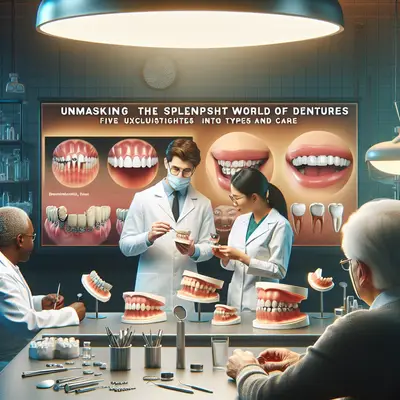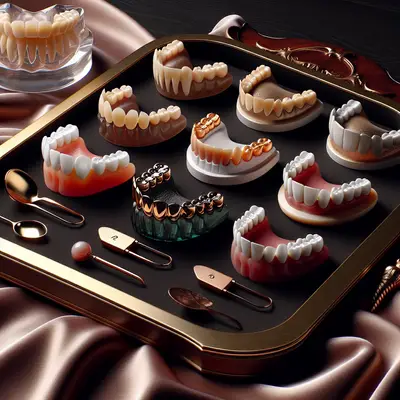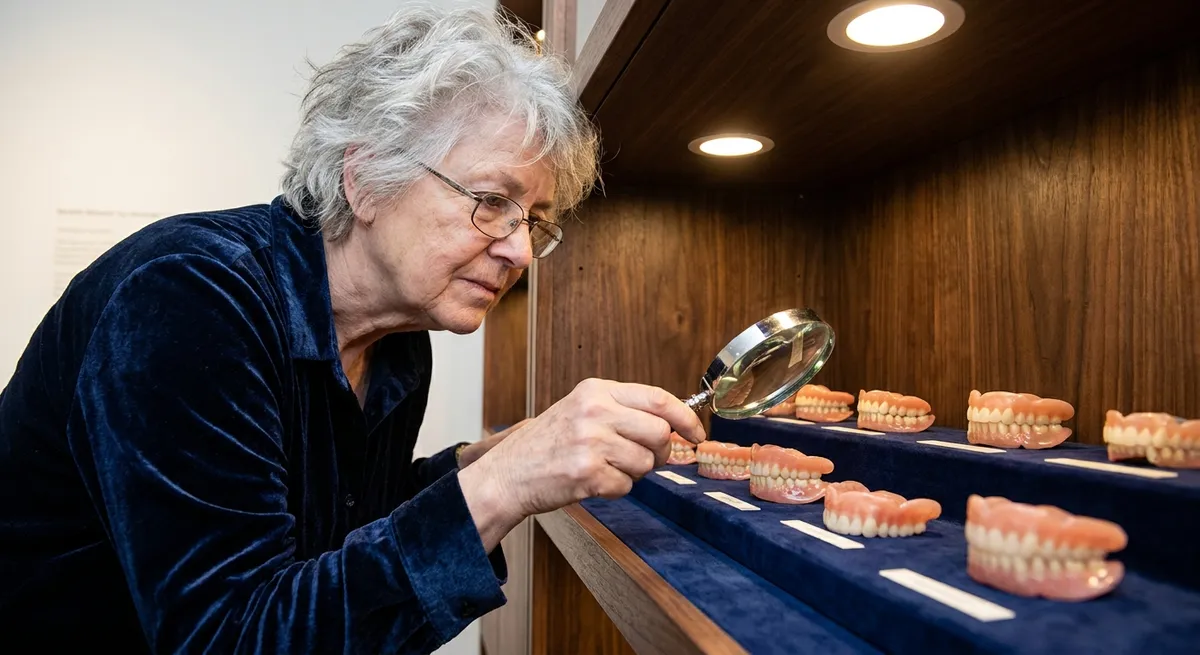
Selecting dentures is no longer a matter of accepting a “standard set of teeth.” For discerning wearers, modern prosthetics offer a spectrum of materials, design philosophies, and customization options that can be tailored almost as precisely as a bespoke suit. Understanding these finer distinctions allows you to move past generic choices and curate a solution that looks natural, feels balanced, and supports your long-term oral health.
Rethinking “Full vs. Partial”: The Architecture Behind Modern Dentures
For many years, denture options were framed in simple terms: full dentures for those missing all teeth, partial dentures for those with some remaining. Today, the conversation is more architectural than binary.
Full dentures still restore an entire arch, but the design can be highly nuanced. The base curvature, tooth alignment, and even subtle translucency of the teeth can be tailored to harmonize with your facial structure, lip line, and speech patterns. Rather than merely “filling space,” a thoughtfully crafted full denture supports the cheeks and lips, helping maintain facial contours and a youthful profile.
Partial dentures have evolved beyond visible metal frameworks. Contemporary designs may use precision attachments that clip discreetly to crowns, or flexible bases that blend elegantly with the gums. Your remaining natural teeth are treated as structural anchors, influencing where and how the partial distributes chewing forces. The goal is not simply to replace what’s missing, but to design a stable, balanced system that respects your existing dentition and jaw function.
Material Matters: Acrylic, Metal, and Flexible Bases with Purpose
The materials beneath the surface of your smile significantly influence comfort, aesthetics, and longevity. While acrylic remains a foundational choice, premium denture designs often integrate layered materials to achieve a refined result.
High-quality acrylic bases can be tinted and veined to mimic natural gum tissue, avoiding that flat, opaque look many associate with older dentures. Teeth may be crafted from advanced acrylics or ceramics with layered translucency to reflect light more like natural enamel. For many patients, this subtle optical realism is what makes dentures “disappear” in photos and conversation.
Cobalt-chrome or titanium frameworks, often used in partial dentures, provide a slim yet robust substructure. By minimizing bulk, these metals can allow for a more delicate and comfortable design, especially in the palate area. Flexible nylon-type materials occupy a different niche: they can be exceptionally comfortable and aesthetic, particularly when hooks or clasps would otherwise be conspicuous. However, a sophisticated treatment plan weighs flexibility against long-term stability, adjustability, and hygiene—sometimes a hybrid approach yields the most elegant solution.
Implant-Supported Designs: Stability as a Luxury, Not a Gamble
For many, conventional dentures can feel secure and functional. For others, especially those with advanced bone loss in the jaw, even the best-crafted removable dentures may never feel completely stable. Implant-supported dentures have transformed this experience, shifting stability from worry to expectation.
By anchoring a denture to strategically placed dental implants, your prosthetic can “lock in” with a satisfying precision. This improved stability allows for more confident chewing, laughing, and speaking—without the subtle tension of wondering if your denture will shift. It also often reduces or eliminates the need for adhesive, simplifying your daily routine.
Beyond comfort, implants help preserve the jawbone. When natural teeth are lost, the underlying bone gradually resorbs. Implants provide functional stimulation to the bone, slowing this process and helping maintain facial structure and denture fit over time. In premium implant-supported designs, the prosthetic teeth and gums can be meticulously contoured to your individual facial anatomy, delivering a refined, integrated look rather than a generic “plate” appearance.
Five Exclusive Insights Discerning Denture Wearers Quietly Value
Modern denture wearers who demand more than the basics often look beyond the obvious choices. These five insights can help you approach your next prosthetic decision with the confidence of someone commissioning a finely tailored piece—rather than settling for an off-the-shelf solution.
1. Tooth Shape Tells a Story—About You
Denture teeth are not simply “small, medium, large.” Their shape, length, and contours subtly communicate age, personality, and even energy. Rounded central incisors with soft edges can suggest warmth and approachability; slightly more angular shapes can feel contemporary and assertive. A skilled dentist or prosthodontist will observe your facial structure, lip movement, and even your style of dress to recommend a tooth form that looks “born there,” not placed.
2. Gum Contouring Is as Important as the Teeth
Refined denture design treats the pink acrylic as carefully as the white teeth. Delicate contours in the gumline—small scallops, gentle depressions where papilla would naturally sit, and nuanced color variations—create the illusion of depth and vitality. For implant-supported dentures, gingival design can also strategically support the upper lip, subtly lifting and shaping your smile line. This level of detailing transforms the denture from a functional appliance into an aesthetic, facially integrated prosthesis.
3. Your Bite Can Be Tuned Like a Precision Instrument
A sophisticated denture fitting goes beyond “does it feel okay?” The way upper and lower teeth meet—your occlusion—affects jaw comfort, headache frequency, muscle tension, and even how clearly you pronounce certain sounds. Through careful bite registration and fine-tuning, your clinician can create a balanced occlusion that distributes chewing forces evenly and reduces micro-movements that cause sore spots. Over time, minor adjustments can prevent undue stress on the jaw joints, preserving comfort and function.
4. Lightweight Design Reduces Fatigue and Enhances Speech
The weight and thickness of your denture influence how natural it feels, particularly in the upper arch. Thinner, well-engineered palatal designs can make food taste more vivid and help speech feel more effortless. In partial dentures, a streamlined metal framework or thoughtfully designed flexible base can make the prosthesis feel like an extension of your own teeth rather than an object you’re “holding” in your mouth. For many wearers, this reduction in mental and muscular effort is an understated but profound luxury.
5. Planned Upgrades Future-Proof Your Smile
Your first set of dentures need not be your final design. A strategic treatment roadmap anticipates how your needs may evolve over 5–10 years. For instance, you might begin with a high-quality conventional denture designed with the option to convert to an implant-supported system later. Or a partial denture may be crafted so that if additional teeth are lost in the future, your existing prosthesis can be modified rather than replaced entirely. This kind of foresight protects your investment and ensures you’re never forced into rushed, compromise solutions.
Coordinating Your Choice with Lifestyle, Not Just Anatomy
Anatomy sets the parameters; lifestyle refines the choice. Someone who travels frequently may value a solution that balances durability with ease of maintenance, perhaps with a streamlined cleaning routine and a robust travel case. A person whose professional life involves frequent public speaking may prioritize absolute stability and crystal-clear diction, pointing toward implant-supported options or highly customized palatal designs.
Social habits and culinary preferences matter as well. If you enjoy crunchy, fibrous foods, your prosthetic should be planned with those demands in mind, including tooth material, occlusal design, and, if appropriate, implant positioning. If you are particularly sensitive to visible metal when you smile or laugh, this will influence the type of clasps or attachments your partial denture uses.
Finally, your aesthetic preferences—subtle sophistication versus a more glamorous, high-contrast smile—deserve a precise, nuanced conversation. Photographs from different periods of your life, or examples of smiles you admire, can help your clinician align the denture design with your sense of self.
Conclusion
Denture design, at its finest, is an exercise in thoughtful craftsmanship: a confluence of material science, facial aesthetics, and functional engineering. Moving beyond basic categories and into the realm of tailored solutions allows your prosthetic to complement your appearance, habits, and long-term health with quiet confidence. When each decision—down to gum tint, tooth contour, framework choice, and occlusal fine-tuning—is made with intention, your dentures cease to be a reminder of loss and become instead a discreet, elegant foundation for everyday life.
Sources
- American College of Prosthodontists – Dentures Overview – Clinical overview of complete and partial dentures, including indications and types
- Mayo Clinic – Dentures: What to Expect – Patient-focused explanation of denture options, fitting, and care
- National Institute of Dental and Craniofacial Research – Tooth Replacement – Government resource describing dentures and implants as tooth replacement options
- Cleveland Clinic – Dental Implants – Detailed information on dental implants, including their role in supporting dentures
- Journal of Prosthodontic Research – Occlusion in Complete Dentures – Research-based discussion of how occlusal schemes affect denture function and comfort
Key Takeaway
The most important thing to remember from this article is that this information can change how you think about Denture Types.