A well-crafted denture is more than a replacement for missing teeth—it is a quietly confident statement about how you choose to present yourself to the world. For discerning wearers, the question is not simply “Which denture will fit?” but “Which smile best reflects my lifestyle, my comfort, and my standards?” This guide explores denture types through a more elevated lens, highlighting subtle distinctions that make a tangible difference in daily life—and revealing five exclusive insights that sophisticated wearers often learn only through experience.
Understanding the Landscape: From Conventional to Custom-Crafted
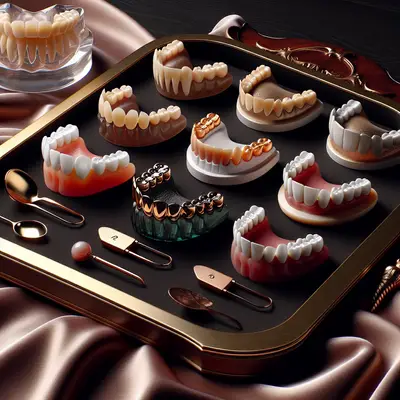
Modern denture options extend far beyond the one-size-fits-all plates of the past. Conventional full dentures, typically crafted to replace an entire arch of teeth, remain a foundational option, especially when all remaining teeth have been removed or are non-restorable. They rest on the gums and rely on careful shaping, suction, and muscle control for stability.
Partial dentures, by contrast, are designed to integrate with existing natural teeth. They may be supported by metal frameworks, precision attachments, or more discrete clasps, offering a nuanced balance between function and aesthetics. For some, flexible partial dentures—made from nylon or similar thermoplastic materials—provide a softer, more adaptive alternative to traditional acrylic, especially when gum contours or undercuts are complex.
Implant-supported dentures introduce a further level of refinement. Here, dental implants are anchored into the jawbone and used to secure a full arch prosthesis with either fixed screws or snap-on attachments. The result is a more permanent, grounded feel that resists movement during speaking and eating. Overdentures represent yet another category, sitting over a small number of remaining roots or implants to preserve bone volume and enhance stability. When thoughtfully chosen and meticulously fitted, each type can be tailored to the wearer’s aesthetic preferences, lifestyle demands, and long-term oral health plan.
Full, Partial, and Implant-Supported: Matching Denture Type to Lifestyle
Selecting the appropriate denture type requires more than a clinical assessment; it calls for a candid conversation about how you live, work, and socialize. Traditional full dentures often work best when predictability and simplicity are valued. They are removable, relatively straightforward to maintain, and can be periodically relined or remade as facial contours evolve over time.
Partial dentures serve those who wish to preserve their remaining natural teeth while restoring a harmonious smile. A carefully designed partial can redistribute bite forces and protect existing teeth, but the placement of clasps and the choice of materials significantly affect both comfort and visual subtlety. For individuals who speak publicly, dine out frequently, or simply cannot tolerate the feeling of movement, implant-supported dentures and fixed hybrid prostheses (often called “all-on-X” solutions) are increasingly favored. These options are engineered to minimize slippage and improve chewing efficiency, particularly for firmer or more textured foods.
Refinement also lies in the details: tooth shade, translucency, and gingival tinting can be subtly customized to suit your complexion and natural facial character. A premium approach does not chase a blindingly white, uniform look; instead, it seeks a believable elegance. Gentle variation in tooth color, careful shaping of incisal edges, and discreet characterization of the gumline create a result that appears authentically yours rather than conspicuously artificial.
Material Matters: Acrylic, Metal Frameworks, and Flexible Options
Behind every graceful smile is a considered materials choice. Acrylic resins remain the standard for most full dentures due to their versatility, repairability, and capacity for detailed customization. High-quality acrylic allows for delicate layering to mimic natural tooth translucency and gum shading, especially when crafted by an experienced dental technician.
Metal frameworks—often cobalt-chromium alloys—are commonly used in partial dentures where strength and minimal bulk are critical. A well-designed metal framework can be thinner, more rigid, and more comfortable over the long term, particularly for wearers who are sensitive to the feeling of thick acrylic. Precision attachments, hidden within crowns on nearby teeth, can replace visible clasps, resulting in a more discreet appearance.
Flexible partial dentures, typically made from nylon or similar thermoplastics, have gained popularity for their softness and adaptability. They can be especially helpful where gum tissues are delicate, or where conventional clasps would be aesthetically unacceptable. However, flexibility brings its own considerations: they can be more challenging to adjust or repair, and they may not offer the same long-term dimensional stability as metal-based designs.
For implant-supported dentures, high-performance acrylics, milled resins, and advanced ceramics (such as zirconia) are increasingly used. These materials can deliver a refined visual effect and robust durability. A zirconia hybrid, for example, can combine the elegance of ceramic with the security of a fixed prosthesis, though it demands precise planning and a higher investment—suited to wearers seeking a truly long-horizon solution.
Five Exclusive Insights Savvy Denture Wearers Already Know
Experienced denture wearers often develop quiet, insider knowledge that transforms their day-to-day experience. These five insights can help you move from simply “managing” your dentures to genuinely curating your smile.
1. Micromobility Is Normal—Strategic Stability Is the Goal
Even exquisitely crafted conventional dentures may show slight movement under certain conditions, especially in the lower jaw where anatomy is less forgiving. The goal is not absolute immobility, but controlled, predictable stability. A candid discussion with your dentist about typical vs. problematic movement can spare you unnecessary worry and guide you toward refinements like precision relines, adjusted occlusion, or adding implants in targeted positions to anchor problem areas.
2. The Bite Blueprint Matters More Than You Think
Two dentures can look equally beautiful yet feel entirely different when you chew. The way teeth are arranged to meet—your “bite blueprint”—influences speech clarity, muscle fatigue, and even tension in the jaw and neck. Sophisticated wearers prioritize thorough bite adjustments, including follow-up fine-tuning after a few weeks of wear, rather than assuming discomfort is inevitable. This is particularly true for implant-supported dentures, where a carefully engineered bite can protect both the prosthesis and the implants themselves.
3. Gum Contours Are as Important as Tooth Shade
A truly elevated denture pays as much attention to the gingival architecture as to the teeth. Subtle scalloping, gentle stippling, and natural color gradations in the gum areas prevent the “flat pink block” look and contribute significantly to realism. Thoughtful gingival design can also support the lips in a flattering way, subtly restoring youthful fullness and correct support without appearing overdone. This is where premium lab work and detailed try-in appointments yield visible dividends.
4. “Silent” Fit Checks Prevent Future Complications
Comfort on day one does not guarantee long-term harmony. Bone and soft tissue will remodel, especially after extractions or implant placement. Discerning wearers schedule periodic “silent” fit and tissue health checks—even when nothing feels obviously wrong. These visits allow the clinician to spot pressure points, early sore spots, and bite changes before they manifest as pain, fractures, or accelerated bone loss. Over time, this proactive approach often extends the life of the denture and preserves facial structure.
5. Implant Placement Strategy Can Refine Denture Type Options Later
If you are not ready for a full implant-supported solution immediately, it is still possible to plan strategically. Placing a small number of implants now—positioned with future versatility in mind—can allow you to start with a removable overdenture and transition later to a more fixed, hybrid prosthesis without starting from scratch. Savvy wearers view their treatment not as a single event but as a staged, long-term design project, where early choices preserve flexibility and protect future options.
Choosing the Right Team: Why Expertise and Communication Matter
Selecting a denture type is as much about who designs and delivers it as what it is made from. A premium result often involves close collaboration between the dentist, a skilled prosthodontist (a specialist in complex restorations), and an experienced dental laboratory. Each plays a role in transforming technical specifications into a smile that feels intuitive, secure, and authentically yours.
During consultations, pay attention to the quality of questions you are asked: Are your speech habits, professional demands, and aesthetic preferences explored in depth? Is facial balance, lip support, and profile considered, or is the conversation limited to tooth count and cost? High-caliber care weaves together anatomy, engineering, and artistry into a cohesive plan that can evolve with you.
Equally important is transparent discussion of maintenance: how often relines will be needed, what type of daily care routine is expected, and how repairs or adjustments will be handled. A refined denture experience does not end when you leave the clinic—it is supported by ongoing guidance, responsive follow-up, and a shared commitment to keeping your prosthesis functioning and looking exceptional over time.
Conclusion
The most satisfying dentures are not merely prosthetic devices; they are tailored expressions of identity, confidence, and considered self-care. Whether you choose a meticulously sculpted full denture, a discreet partial, or a thoughtfully engineered implant-supported solution, the most rewarding outcomes emerge when you look beyond basic function and engage with nuance: materials, gum design, bite dynamics, long-term planning, and the subtle art of fit.
By embracing the insights seasoned wearers already know—strategic stability over perfection, attention to gum contours, proactive fit checks, and staged implant planning—you position yourself not just as a denture patient, but as a curator of your own smile. In that space, dentures cease to be a compromise and become instead a refined, deliberate choice.
Sources
- Mayo Clinic – Dentures: Options, Procedure & Care – Overview of denture types, indications, and what to expect from treatment
- American College of Prosthodontists – Complete and Removable Partial Dentures – Professional guidance on full and partial denture options and considerations
- Cleveland Clinic – Implant-Supported Dentures – Detailed explanation of implant-supported and overdenture solutions
- American Dental Association (ADA) – Dentures – Patient-focused information on denture basics, care, and adaptation
- National Institutes of Health (NIH) – Removable Partial Dentures Review (PMC) – Research-based discussion of removable partial denture design, materials, and long-term outcomes
Key Takeaway
The most important thing to remember from this article is that this information can change how you think about Denture Types.