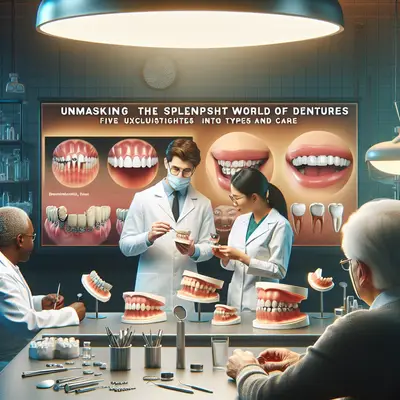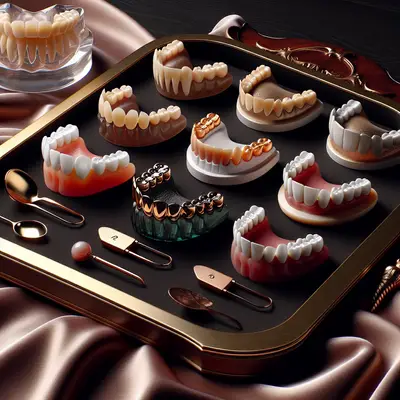
For the discerning wearer, dentures are far more than a functional necessity—they are a crafted extension of personal style, confidence, and comfort. Today’s prosthetics offer a spectrum of materials, designs, and customization options that can be tailored as precisely as a bespoke suit. Understanding the nuances between denture types allows you to move beyond basic “replacement teeth” and toward a carefully curated solution that aligns with your lifestyle, aesthetic ideals, and long‑term oral health.
This guide offers a sophisticated overview of contemporary denture options, followed by five exclusive, under‑discussed insights that elevate the experience from merely acceptable to truly exceptional.
The Core Denture Families: A Modern Overview
While terminology can feel technical, most dentures fall into a few primary categories—each with its own character, advantages, and ideal wearer profile.
Conventional full dentures are crafted after any remaining teeth are removed and the gums have healed. They rest on the gums and rely on suction, muscular control, and sometimes adhesives. Modern techniques and higher‑end materials have made these significantly more comfortable and lifelike than their older counterparts, yet they still represent a removable, non‑anchored solution.
Immediate full dentures are placed the same day teeth are removed, so you never go without a smile during healing. They offer instant aesthetics and function, but they require multiple adjustments as gums and bone reshape. For those with a strong preference for uninterrupted appearance, immediate dentures can be a transitional yet refined choice—if you are prepared for the necessary follow‑up refinements.
Partial dentures are designed for those with some natural teeth remaining. They anchor to existing teeth via clasps or more discreet attachment systems. Whether metal‑based or made from flexible, gum‑colored materials, partials are often a sophisticated compromise: they preserve remaining teeth, maintain alignment, and offer excellent aesthetics when tailored thoughtfully.
Implant‑supported dentures pair a denture with strategically placed dental implants anchored in the jaw. The result is markedly enhanced stability, reduced movement, and a bite that feels closer to natural teeth. They can be removable (snap‑in) or fixed (only removed by a clinician). For many, this represents the pinnacle of both function and refinement, especially when paired with premium materials.
Overdentures are a hybrid between traditional dentures and implant‑anchored designs, often resting on a combination of natural tooth roots or implants and the gums. They distribute forces more evenly and can help preserve jawbone in areas where support remains. This category is particularly elegant for those who wish to conserve select natural structures while enjoying the security of added anchorage.
Each of these families can be elevated further through material choices, design details, and craftsmanship—subtleties that often define the difference between “acceptable” and “exceptional.”
Materials, Aesthetics, and the Anatomy of a Premium Denture
Beyond the basic type, the true personality of a denture lies in its materials and finish. Premium options are crafted not only to fit, but to harmonize with facial features, complexion, and even personality.
Base materials typically include acrylic resin, high‑impact acrylics, or frameworks made of cobalt‑chromium or titanium for partial dentures. Flexible nylon‑based materials offer a softer, more adaptable feel but can be more challenging to adjust. A refined approach considers how you chew, speak, and smile, then matches material properties—rigidity, flexibility, translucency—to both function and aesthetics.
Teeth selection is an art form. High‑end prosthetic teeth can replicate natural gradations in color, translucency at the edges, and even subtle surface textures that catch the light in a lifelike way. Rather than a uniform “denture white,” a sophisticated smile often incorporates slight variation from tooth to tooth and a shade that flatters your skin tone, eye color, and age.
The gum aesthetics, or gingival characterization, can be equally telling. Advanced techniques allow for layered acrylics in multiple shades of pink, with delicate veining and contouring that mirror natural tissue. This level of detail is often overlooked in standard dentures but is a hallmark of a premium prosthesis.
Attention to occlusion—how upper and lower teeth meet—is essential. A balanced bite reduces pressure points, prevents rocking, and supports facial musculature. A carefully calibrated occlusion can soften lines around the mouth and subtly improve lower‑face support, creating a more youthful, relaxed appearance.
In essence, a high‑caliber denture is not a single object but a composition: materials, color, shape, and bite alignment all orchestrated to create a quietly convincing, comfortable, and elegant smile.
Implant‑Anchored Solutions: Stability, Confidence, and Subtle Luxury
Implant‑based options occupy a distinctive place in modern prosthodontics. They are neither ostentatious nor experimental; instead, they offer a grounded, evidence‑based path to superior stability and long‑term comfort.
Implant‑supported dentures typically involve two to six implants placed in the jawbone, which then connect to a full arch prosthesis. This arrangement offers several advantages:
- Stability and confidence: The denture is less likely to move when speaking or eating, reducing the daily micro‑adjustments many wearers unconsciously make.
- Bone preservation: Implants help stimulate the jawbone, slowing the resorption that often leads to a “sunken” appearance over time.
- Refined eating experience: With increased stability, it becomes easier to enjoy a broader range of foods discreetly and comfortably.
- Reduced reliance on adhesives: For many, implant support significantly decreases or eliminates the need for adhesive products.
For those seeking a seamless daily experience, fixed implant dentures (sometimes called “hybrid” prostheses or full‑arch fixed implant bridges) offer a solution that feels more like natural teeth. The prosthesis remains in place and is removed only by your dental team for periodic maintenance. This approach often involves a more substantial initial investment, but can deliver a uniquely composed blend of aesthetics, function, and ease of use.
The most refined outcomes occur when implant positioning is planned digitally, with the final prosthesis design in mind from the outset. This “prosthetically driven” approach ensures that the implants support not only chewing forces but also ideal tooth placement, lip support, and facial balance.
Five Exclusive Insights for the Discerning Denture Wearer
Beyond the usual advice about cleaning and fit, there are subtler considerations that can greatly influence your long‑term satisfaction with any denture type. These five insights are particularly relevant to those who seek a polished, elevated experience.
1. Micro‑Adjustments Over Time Are a Feature, Not a Flaw
High‑quality dentures, especially in the first year, often require a series of gentle refinements. As gums and bone evolve, small pressure points, slight rocking, or minuscule changes in how teeth meet are normal. Rather than a sign of poor workmanship, scheduled micro‑adjustments are part of a sophisticated, iterative process that tailors your prosthesis to your changing anatomy.
An elevated approach involves proactively scheduling follow‑up assessments—particularly for immediate and new full dentures—rather than waiting for discomfort. This mindset reframes adjustments as part of an ongoing customization ritual, not reactive repair.
2. The “Silent” Importance of Phonetics and Speech Testing
While most consultations focus on bite and appearance, speech deserves equal attention. Different denture types and tooth positions can subtly affect the way you pronounce certain sounds, particularly “s,” “f,” and “v.”
A refined fitting session includes deliberate phonetic testing: reading aloud, reciting familiar phrases, and checking how the denture interacts with the tongue and lips. Request this kind of assessment, especially with new prostheses or when switching between conventional and implant‑supported designs. A few millimeters of adjustment in tooth angle or position can dramatically improve clarity and ease of speech.
3. Lip Support and Facial Profile Are Part of the Prescription
The best dentures are prescribed not only for your mouth, but for your entire lower face. Loss of teeth and bone can flatten lips, deepen lines, and alter facial proportions. Different denture types—and the way they are crafted—can either subtly restore or inadvertently exaggerate these changes.
When discussing options, note how prototypes or wax try‑ins influence your profile. Do your lips look overly full or slightly collapsed? Do nasolabial folds (smile lines) appear softened or more pronounced? Implant‑supported or overdenture solutions can, in many cases, be designed to provide more consistent, long‑term support to the lips and cheeks, contributing to a more poised appearance.
4. Material Choice Influences Sound, Taste, and Mouthfeel
For many wearers, the sensory experience of a denture is as important as appearance. The type of base material, tooth material, and even the bulk of the design can affect how “present” the denture feels in your mouth.
- Metal frameworks in partial dentures can feel thinner and more precise, often transmitting temperature changes (hot and cold) more naturally.
- Flexible partials may feel softer but can create a subtly different sensation against the tongue.
- High‑density, premium teeth can produce a more convincing sound when they meet—less “plastic on plastic” and more akin to natural enamel.
Discuss with your clinician how sensitive you are to texture, temperature, and mouthfeel. A sophisticated plan will consider these sensory preferences when recommending between traditional acrylic, flexible materials, or metal frameworks.
5. Long‑Term Strategy Matters More Than the First Prosthesis
A refined denture plan looks beyond today’s needs to anticipate how your mouth—and life—will evolve. For example:
- If jawbone volume is already limited, planning for future implants or overdentures might influence whether you choose a more conservative initial design.
- If you anticipate medical changes (such as medications that may affect saliva flow), your dentist can select denture materials and designs that perform better in drier environments.
- If you travel frequently or value minimal disruption, options that require fewer adjustments or offer greater durability might be prioritized, even if the initial cost is higher.
Thinking in terms of a five‑to‑ten‑year arc allows you to align your current denture type—whether conventional, partial, implant‑supported, or overdenture—with a broader strategy that protects both oral health and overall ease of living.
Choosing Your Denture Type: Aligning Lifestyle, Aesthetics, and Investment
Selecting a denture type is ultimately a balancing act between stability, aesthetics, comfort, maintenance, and financial considerations. A thoughtful process might include:
- Lifestyle mapping: How do you eat, speak, socialize, and travel? Are you often in professional or public settings where absolute confidence in your prosthesis is non‑negotiable?
- Aesthetic priorities: Do you lean toward a perfectly aligned, luminous smile, or do you prefer subtle, naturally varied shapes and shades that echo your original teeth?
- Tolerance for maintenance: Are you open to more frequent visits and fine‑tuning in exchange for exceptional precision, or do you prefer a solution that is more “set and forget,” such as fixed implant prostheses?
- Investment perspective: Instead of focusing solely on initial cost, consider the long‑term value—comfort, bone preservation, reduced adhesives, and the emotional ease that comes with a stable, lifelike smile.
A premium experience often involves collaboration between a restorative dentist, a prosthodontist, and a skilled dental laboratory. The most successful outcomes are those where your goals and preferences are clearly articulated and then translated into a bespoke denture type, design, and material selection that feels quietly tailored to you.
Conclusion
Modern denture types offer far more than a single path to tooth replacement. From conventional and partial designs to implant‑anchored and hybrid solutions, each option carries its own blend of function, aesthetics, and long‑term implications. When viewed through a refined lens, dentures become a crafted expression of individuality—curated for comfort, stability, and discreet elegance.
By understanding the distinctions between denture types and embracing nuanced insights—like phonetics, lip support, sensory experience, and long‑term planning—you position yourself not merely as a denture wearer, but as the curator of your own smile. With the right guidance and a commitment to precision, your prosthesis can serve as an understated yet powerful extension of your personal presence, day after day.
Sources
- American College of Prosthodontists – Dentures Overview – Clinical explanations of complete, partial, and implant‑supported dentures, plus care considerations.
- Mayo Clinic – Dentures: What to Expect – General guidance on types of dentures, expectations, and adaptation.
- National Institute of Dental and Craniofacial Research (NIDCR) – Tooth Replacement Options – Government resource outlining dentures, implants, and other restorative choices.
- Cleveland Clinic – Dental Implants and Implant‑Supported Dentures – Detailed discussion of implant‑based solutions and their benefits.
- Harvard School of Dental Medicine – Implant Dentistry Overview – Educational overview of implant dentistry principles, including prosthetic considerations.
Key Takeaway
The most important thing to remember from this article is that this information can change how you think about Denture Types.