Modern dentures are no longer a one‑size‑fits‑all solution; they are curated prosthetic designs that can be tailored as precisely as a bespoke suit. Understanding the nuanced differences between denture types allows you to collaborate intelligently with your clinician, protect your investment, and maintain a smile that feels quietly confident rather than conspicuously artificial. This guide explores the principal denture types and reveals five exclusive insights that discerning wearers often learn only after years of experience.
The Contemporary Landscape of Denture Types
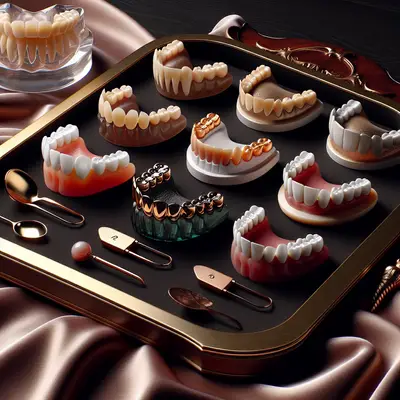
Today’s denture choices extend well beyond the traditional pink‑and‑white plate. At a high level, most options fall into four overarching categories: complete dentures, partial dentures, implant‑supported dentures, and transitional or temporary designs.
Complete dentures replace an entire arch of teeth—upper, lower, or both—resting on the gums and underlying bone. Partial dentures fill in gaps where some natural teeth remain, using discreet clasps or precision attachments. Implant‑supported and implant‑retained dentures anchor to surgically placed titanium or zirconia implants, providing greater stability and a more natural chewing experience. Finally, immediate and interim dentures act as provisional solutions during healing or restorative phases, bridging the gap between tooth removal and a definitive prosthesis.
Within each category, there are variations in materials (acrylic, metal frameworks, flexible polymers), design (palate coverage, open‑palate styles, bar‑supported vs. locator‑retained), and level of customization (standard, premium, or fully bespoke). Appreciating these subtleties is the first step toward choosing a denture that aligns with your lifestyle, aesthetic expectations, and long‑term oral health.
Complete Dentures: Foundational Elegance for Full‑Arch Restoration
Complete dentures remain the foundation of full‑arch tooth replacement and can be crafted with surprising sophistication when approached thoughtfully. Traditional upper dentures gain stability by gently creating suction across the palate; lower dentures rely more heavily on musculature, tongue posture, and ridge anatomy, often making them more challenging to wear.
Premium complete dentures typically incorporate layered, high‑translucency teeth that mimic natural enamel gradients, as well as gingival shading and subtle texture to imitate natural gum tissue. The fit is refined through multiple try‑in stages, allowing you to evaluate tooth shape, arrangement, lip support, and speech before the final prosthesis is fabricated.
For many, the quiet luxury in complete dentures comes from precision: a carefully sculpted bite that reduces jaw strain; a polished surface that supports effortless cleaning; and an occlusal scheme designed to minimize denture movement during function. While adhesive can be helpful in certain cases, well‑crafted complete dentures should rely primarily on anatomy, fit, and neuromuscular adaptation. If you find yourself dependent on adhesive for all‑day comfort, this is often a signal to discuss relining, rebasing, or transitioning to an implant‑assisted option.
Partial Dentures: Strategic Solutions that Respect Natural Teeth
Partial dentures are designed to harmonize with remaining teeth rather than replace them all, making them an inherently more intricate category. A thoughtfully designed partial distributes chewing forces in a way that protects both the prosthesis and your remaining teeth, while maintaining the visual rhythm of your natural smile.
Metal‑framework partials, typically using cobalt‑chromium, offer a refined balance of strength and delicacy. They can be designed with minimal visible metal, hidden rests and clasps, and precise contact points that preserve tooth structure. Flexible partials, made from nylon‑based materials, prioritize comfort and aesthetics, with gingiva‑colored clasps that blend more discreetly into the gums; however, they may be more difficult to adjust and are not always ideal for complex bite situations.
A premium partial denture experience is as much about planning as fabrication: careful consideration of which teeth to preserve, how future tooth loss might be accommodated, and how to maintain periodontal health around abutment teeth. For many wearers, the most rewarding outcome is a prosthesis that becomes almost invisible in daily interactions, both visually and in terms of how it feels during speech and dining.
Implant‑Supported Dentures: Stability with a Subtle Sense of Permanence
Implant‑supported dentures represent a significant step toward a more “fixed” feeling smile, offering enhanced stability and chewing efficiency. In general, these designs fall into two categories: overdentures that are removable by the patient and fixed hybrid prostheses that are removed only by the dentist.
Overdentures may attach to implants via locator attachments, bars, or other precision components. They still come out for cleaning, but the connection to implants dramatically improves retention and minimizes movement, especially in the lower arch. Fixed implant restorations, often referred to as “all‑on‑X” or full‑arch bridges on implants, feel more akin to natural teeth and are brushed and flossed (or water‑flossed) in place.
Beyond the stability, the real elegance of implant‑supported designs lies in their ability to preserve jawbone volume, maintaining facial contours and a more youthful profile over time. However, they also demand disciplined hygiene and maintenance. Regular professional cleanings around the implant interface, meticulous home care to prevent inflammation, and periodic replacement of attachment components are not optional extras; they are integral to protecting the longevity of your investment.
Transitional & Immediate Dentures: Managing the Interim Period Gracefully
The time between tooth loss and definitive restoration can feel vulnerable. Transitional and immediate dentures are designed to carry you through this phase with dignity and functionality. Immediate dentures are fabricated in advance and placed the same day teeth are removed, ensuring you never leave the practice without teeth. While they provide instant aesthetics and function, the underlying bone and gums remodel rapidly after extractions, meaning adjustments and relines are frequently needed.
Interim or temporary dentures may also be used after implant placement, during healing, or as a trial prosthesis to evaluate aesthetics, speech, and bite. Savvy wearers often treat this phase as an opportunity to “test‑drive” tooth shapes, sizes, and shades before committing to a final design.
Approached thoughtfully, transitional dentures are not merely placeholders; they can offer valuable feedback. How do you feel about the tooth display when you smile or speak? Does the lip support feel natural? Do you gravitate toward a more understated or more luminous shade? Sharing these observations with your clinician refines the final prosthesis into something that feels truly curated for you.
Five Exclusive Insights Savvy Denture Wearers Quietly Rely On
Discerning denture wearers often discover certain truths over time—details that are rarely emphasized in standard brochures. Integrating these insights from the start can elevate your experience considerably.
1. The “Invisible” Metric: Phonetics as a Design Tool
Beyond appearance, the sound of your speech is a subtle yet powerful indicator of denture refinement. How you pronounce “s,” “f,” “v,” and “th” sounds reveals whether tooth position, thickness of the palate (for uppers), and vertical dimension of occlusion are properly tuned. At try‑in appointments, reading a short paragraph aloud, or simply conversing naturally, can highlight small adjustments that dramatically improve clarity and confidence. Sophisticated denture work pays as much attention to how you sound as to how you look.
2. Micro‑Polish Matters More Than You Think
The quality of surface polishing on a denture is not merely an aesthetic detail; it significantly influences plaque accumulation, staining, and even comfort. A finely polished intaglio surface (the tissue‑facing side) reduces friction and potential sore spots, while a high‑gloss exterior resists pigment uptake from coffee, tea, or red wine. When evaluating a new prosthesis, take a moment to literally feel the surfaces with a clean fingertip—premium work is usually smooth, continuous, and free of rough edges or micro‑porosities.
3. Strategic Relines Extend Lifespan and Comfort
Bone and soft tissues change over time, particularly in the first year after extractions. Rather than waiting until a denture becomes conspicuously loose, experienced wearers schedule proactive assessments for relining. A well‑timed reline adds new acrylic to the tissue‑facing side to adapt to your current anatomy, preserving bite relationships and extending the functional life of the prosthesis. Think of relines as tailored alterations to a favorite garment—discreet refinements that maintain impeccable fit.
4. Subtle Occlusal Design Reduces Facial Fatigue
The way upper and lower teeth meet (occlusion) profoundly affects jaw comfort, muscle tension, and even headaches. A premium denture is designed to distribute forces evenly, with carefully balanced contacts during chewing and side‑to‑side movements. Wearers who pay attention to how their jaws feel at the end of a long day can often sense when something is off: slight clicking, a tendency to slide the jaw, or persistent muscle soreness. Addressing these early with your clinician—through bite adjustments or re‑mounting the dentures on an articulator—can prevent chronic discomfort and protect both prosthesis and supporting tissues.
5. Aesthetic Nuance: Embracing Imperfection Strategically
The most natural‑looking dentures rarely aim for absolute uniformity. Subtle variations in tooth shape, slight rotation, or minute differences in incisal edge length can emulate the individuality of natural dentition. Similarly, gentle characterization of the gingival area—delicate stippling, soft color gradations, or the suggestion of root eminences—prevents the “blocky,” artificial look. Discerning wearers often bring old photographs or request that the technician echo certain charming asymmetries from their original smile. The result is a prosthesis that appears convincingly “real” precisely because it is not clinically perfect.
Conclusion
Choosing among denture types is no longer a basic decision between “full” and “partial.” It is an opportunity to curate a prosthetic solution that aligns with the rhythm of your life, honors your facial aesthetics, and respects the long‑term health of your oral structures. Whether you select a meticulously crafted complete denture, a discreet partial, an implant‑supported design, or a transitional solution on the way to something more permanent, the true luxury lies in attention to nuance.
By understanding the broader landscape of denture types and integrating refined insights—from phonetics and micro‑polish to occlusal balance and aesthetic individuality—you position yourself not merely as a denture wearer, but as an informed partner in the creation of your prosthetic smile. That partnership, grounded in knowledge and thoughtful dialogue with your dental team, is what ultimately transforms a functional appliance into a quietly confident expression of self.
Sources
- American College of Prosthodontists – Dentures Overview – Explains types of complete and partial dentures and their indications
- Mayo Clinic – Dentures: What to Expect – Outlines benefits, risks, and care considerations for denture wearers
- National Institute of Dental and Craniofacial Research – Dental Implants – Provides background on implants that support or retain certain denture types
- Cleveland Clinic – Implant-Supported Dentures – Details how implant-supported dentures work and who may benefit
- University of Michigan School of Dentistry – Complete Denture Prosthodontics – Describes clinical processes and expectations for complete denture treatment
Key Takeaway
The most important thing to remember from this article is that this information can change how you think about Denture Types.