There is a quiet confidence in a well-maintained smile—no fanfare, no fuss, just the assurance that every detail has been considered. Denture maintenance, when approached thoughtfully, becomes less a chore and more a refined ritual: deliberate, precise, and deeply personal. This guide explores a more elevated philosophy of care, sharing five exclusive insights that discerning denture wearers can use to keep their prosthetics—and their oral health—at an impeccable standard.
Elevating the Basics: Making “Clean” Truly Comprehensive
For many, denture care begins and ends with a nightly brush and soak. For those who demand more, “clean” is defined not just by appearance, but by texture, scent, and performance.
A soft-bristled brush (never a stiff toothbrush or abrasive cleanser) is essential to preserve the integrity of the acrylic or porcelain surface and prevent micro-scratches that can harbor bacteria. Use non-abrasive, denture-specific cleansers—ordinary toothpaste is often too harsh and may dull or damage the surface over time. After each meal, a quick rinse under cool or lukewarm water prevents food buildup and odors; hot water is best avoided, as it can warp dentures subtly over time.
Think of cleaning as a layered routine: daily gentle brushing, nightly soaking in a professional denture solution, and periodic deep cleansing guided by your dentist or prosthodontist. This multi-tiered approach supports a consistently fresh, polished feel—inside the mouth and out.
Insight 1: The “48-Hour Rule” for Subtle Fit Changes
One of the most overlooked aspects of premium denture care is timing. The tissues of your mouth are dynamic—shifting with hydration, diet, hormone changes, and natural bone resorption. For the refined denture wearer, the “48-hour rule” is a valuable guideline: if you notice even a subtle change in comfort, suction, or speech that persists for more than two days, it deserves attention.
Minor looseness, clicking sounds when speaking, or a faint rubbing spot might feel manageable at first, but these early signs often precede sore spots, ulcers, or accelerated wear on the denture base. Rather than adapting to the discomfort, make a note of when you first noticed the change and what you were doing—new medication, a significant change in weight, recent illness, or a prolonged trip with altered eating patterns can all affect fit.
Sharing this detail with your dentist enables more precise adjustments, instead of waiting until irritation becomes painful. This is maintenance as vigilance: quiet, consistent, and more effective than reactive repair.
Insight 2: Curating a “Denture Climate” at Home
Your dentures live in two environments: your mouth and wherever you store them when not in use. While many focus on the former, the latter is equally important. Think of creating a “denture climate”—a stable, clean, hydrated space that protects both structure and hygiene.
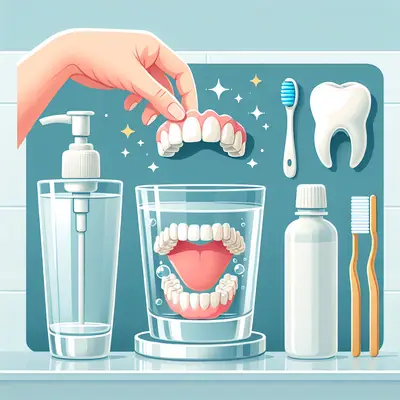
When removed overnight, dentures should rest in a fresh denture-soaking solution or clean water to prevent drying and warping. Leaving them exposed on a nightstand or wrapped in a tissue invites accidental damage, bacterial contamination, and dehydration of the material. The container itself matters: choose a dedicated, lidded denture case that is rinsed and air-dried daily. Replace the case periodically if it becomes scratched or stained, as those microscopic irregularities can harbor bacteria.
For those who travel often, a separate, travel-specific case and a compact denture care set—brush, cleanser, and backup soaking solution—ensure that standards don’t drop in transit. The goal is consistency: your dentures should experience the same level of care on a red-eye flight as they do on your bathroom vanity.
Insight 3: Polishing Your Bite—Not Just Your Dentures
Advanced denture maintenance is as much about function as it is about appearance. A well-maintained bite feels effortless: chewing is confident, speech is clear, and jaw tension is minimal. Over time, however, wear on the denture teeth or changes in your bite alignment can alter how your upper and lower dentures meet.
Subtle signs include favoring one side when chewing, a faint “tapping” sound when you close your teeth together, or jaw fatigue after meals. These are invitations to have your dentist assess the occlusion (how your teeth meet) and, when appropriate, gently polish or adjust the denture teeth. This preserves both comfort and efficiency while reducing undue pressure on certain areas of your gums or jaw.
Periodic professional polishing also refines the surface texture of the prosthetic teeth, making them more resistant to staining and plaque adherence. It is the dental equivalent of having a tailor refine the drape of a bespoke garment—small adjustments that maintain elegance in motion.
Insight 4: A Refined Approach to Stain and Odor Control
A sophisticated denture routine anticipates, rather than reacts to, staining and odor. Coffee, tea, red wine, and richly colored sauces can gradually tint denture materials, while certain foods and habits can contribute to persistent odors if not managed intelligently.
Instead of swearing off these pleasures, adopt subtle countermeasures. Rinsing your mouth and dentures with water immediately after consuming highly pigmented beverages slows staining. For those beverages, consider sipping through a straw when appropriate to reduce direct contact with the teeth surfaces of the denture. Incorporate a daily antiseptic or alcohol-free antimicrobial mouth rinse (if approved by your dentist) to complement mechanical cleaning and disrupt odor-causing bacterial colonies.
If you notice persistent odor despite diligent home care, it may indicate plaque or calculus deposits on the dentures or inflammation of the supporting tissues. In such cases, a professional denture cleaning and a soft-tissue evaluation can restore freshness more effectively than simply adding more products at home. Odor control is less about masking and more about maintaining harmony between the prosthetic, the oral tissues, and your microbiome.
Insight 5: Designing a Maintenance Calendar with Intention
The most elegant denture care routines are not improvised—they are curated. Beyond the daily rituals, a structured maintenance calendar ensures that each aspect of care happens at the right interval, without becoming burdensome.
This might include:
- Daily: Gentle brushing, rinsing after meals, and overnight soaking.
- Weekly: A brief inspection under good lighting to look for hairline cracks, staining, small chips, or changes in the base.
- Monthly: A self-assessment of fit, speech clarity, and chewing comfort, noting any subtle changes in a private log or digital note.
- Biannually or Annually (per your dentist’s advice): Professional examination, denture cleaning, assessment of oral tissues, and discussion of any refinements needed.
By scheduling these touchpoints in your calendar—just as you would a facial, a wardrobe fitting, or a wellness visit—you elevate maintenance from reactive repair to proactive preservation. The result is longevity for the prosthetic, stability for your oral health, and a sustained sense of confidence in social and professional settings.
Conclusion
Exceptional denture maintenance is not defined by elaborate routines, but by intentional ones. When you attend to the small details—the timing of adjustments, the environment in which your dentures rest, the nuance of your bite, the quiet management of stains and odors, and the structure of your care calendar—you transform a necessary task into a refined daily ritual.
In this subtle science of upkeep, your dentures cease to be a mere appliance and become an integral part of your personal presentation: discreet, reliable, and impeccably maintained.
Sources
- American Dental Association – Dentures – Overview of denture types, daily care recommendations, and professional guidance from the ADA.
- Mayo Clinic – Dentures: How to Care for Them – Practical insights on cleaning, storage, and when to see a dentist.
- Cleveland Clinic – Dentures – Detailed discussion of fit, maintenance, and signs that adjustments or replacements are needed.
- National Institute of Dental and Craniofacial Research (NIDCR) – Oral Health in Older Adults – Evidence-based context on oral health challenges and care in denture-wearing populations.
- Colgate Oral Care Center – Caring for Dentures – Consumer-focused guidance on daily cleaning, stain prevention, and proper storage.
Key Takeaway
The most important thing to remember from this article is that this information can change how you think about Maintenance Tips.