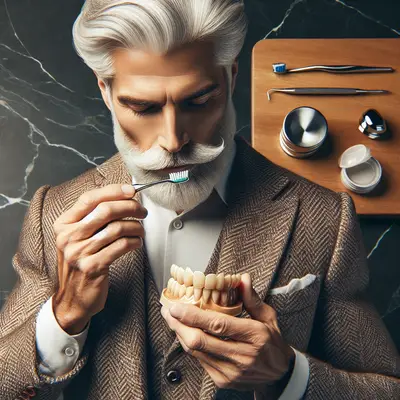
Maintaining oral hygiene with dentures is not simply a matter of staying “clean”; it is an exercise in refinement, longevity, and quiet confidence. The way you care for your dentures and your mouth determines not only how your smile appears but how it feels hour by hour. For discerning denture wearers, hygiene is less about quick fixes and more about establishing a polished, sustainable ritual that supports comfort, aesthetics, and long-term oral health.
Below, you’ll find a sophisticated, detail-oriented approach to oral hygiene, along with five exclusive insights that elevate denture care from routine to exceptional.
Rethinking “Clean”: Oral Hygiene Beyond the Denture Surface
Most people equate clean dentures with a quick brush and soak. In reality, the true benchmark of oral hygiene involves every surface the denture touches—and those it doesn’t. Your gums, tongue, palate, and any remaining natural teeth form a delicate ecosystem that must be considered as a whole.
A meticulously cleaned denture placed on unbrushed gums or an unclean tongue can still lead to odor, irritation, and infection. Conversely, a well-maintained mouth can help dentures feel more stable, less irritating, and more natural. A refined hygiene routine, therefore, focuses not only on the prosthetic but also on preserving the health and resilience of the oral tissues beneath and around it.
This holistic approach is the foundation for everything that follows—particularly for those who expect their dentures to look, feel, and function at their best over many years.
The Foundation: Daily Rituals that Support Exceptional Comfort
Daily care should feel like an intentional ritual rather than a rushed chore. Begin and end the day with a deliberate sequence that attends to both your prosthesis and your oral tissues.
Remove your dentures and brush them with a soft brush designed specifically for dentures, using a non-abrasive cleanser that is free of whitening agents or harsh bleaches. Brushing over a basin partially filled with water or a folded towel protects against accidental fractures if the prosthesis slips from your hand.
Next, gently brush your gums, tongue, and palate with a soft-bristled toothbrush. This improves circulation, removes bacterial film, and reduces odor. If you have natural teeth, continue to brush with a fluoride toothpaste and floss as recommended by your clinician. A non-alcoholic, neutral-pH mouthrinse can complement these steps, especially when chosen with your dentist’s guidance.
Finally, allow your dentures to soak overnight in a recommended cleansing solution or plain water, as directed by your dental professional. This step preserves the shape of the denture base and supports long-term fit, while giving your oral tissues an essential period of rest.
Five Exclusive Insights for the Discerning Denture Wearer
1. Microfilm Management: Why “Invisible” Build-up Matters
Even when dentures look immaculate, a microscopic biofilm—composed of bacteria, fungi, and food residues—can persist on their surfaces. This biofilm is not always visible, yet it contributes to denture odor, staining, and inflammation of the tissues underneath.
Elite care goes beyond surface gloss. Incorporating a daily soak in an effervescent denture cleanser, combined with thorough mechanical brushing, is more effective than either method alone. This dual approach disrupts biofilm and reduces the risk of denture stomatitis (a common inflammation under dentures) without relying on harsh abrasives that can prematurely age the denture.
If you notice persistent redness, burning, or a “coated” feeling on the palate or gums, request a targeted evaluation from your dentist. Addressing microfilm accumulation early ensures both your denture and your tissues remain in optimal condition.
2. The pH Factor: Creating a Gentle Environment for Tissues and Prosthesis
Many denture wearers underestimate the role of pH balance in oral comfort. Acidic beverages, frequent snacking on sugary foods, and certain mouthrinses can disrupt the oral environment and encourage fungal overgrowth, particularly Candida species, which are closely linked to denture-related irritation.
A more refined strategy includes moderating acidic drinks (such as sodas and citrus juices), sipping water between beverages, and selecting alcohol-free, pH-balanced mouthrinses where appropriate. If you still have natural teeth, this approach also helps protect against root caries and enamel erosion.
For wearers with chronic dryness or a history of fungal infections, a dentist may recommend specific rinses, salivary substitutes, or antifungal protocols. Maintaining a stable, neutral oral environment can noticeably improve comfort, taste perception, and the overall feel of your dentures.
3. Precision Cleaning of Attachments and Supporting Structures
For those with implant-supported dentures, partial dentures, or precision attachments, meticulous hygiene around these anchor points is non-negotiable. The most elegant prosthesis is only as reliable as the structures that hold it in place.
Implants, clasps, and bars can accumulate plaque and debris in tiny crevices that are easily overlooked. Specialized tools—interdental brushes, water flossers, super floss, and custom brushes—allow you to target these areas without damaging the hardware or the soft tissues.
A premium approach includes periodic professional maintenance visits where your dentist or hygienist can carefully clean and inspect the implants and attachments. This level of attention protects against peri-implant disease, prevents unpleasant odors, and sustains the integrity of your carefully crafted prosthesis over time.
4. Strategic Use of Adhesives: Support, Not Dependence
Denture adhesives can be beneficial when used judiciously, but reliance on them to compensate for poor fit or neglected hygiene is a subtle but significant misstep. Excess adhesive can trap food particles, encourage bacterial growth, and make cleaning more complex if not removed thoroughly each day.
The sophisticated approach treats adhesives as a finishing touch rather than a structural solution. Use the smallest effective amount, applied according to the manufacturer’s directions, and ensure it is completely removed during your nightly oral hygiene routine. If you find yourself progressively increasing the amount of adhesive for stability, this is a signal to schedule a professional evaluation rather than simply adding more product.
A properly fitting denture, supported by healthy oral tissues, should feel stable and composed without overwhelming reliance on adhesive. When adjustments or relines are needed, timely intervention keeps your oral hygiene routine simple, effective, and elegant.
5. Nighttime is Restorative: Respecting the Role of Tissue Recovery
One of the most exclusive—but frequently overlooked—insights is the role of nighttime in tissue recovery. Leaving dentures in 24 hours a day deprives the gums and palate of essential rest and ventilation, increasing the risk of inflammation, fungal infections, and even subtle bone resorption patterns over time.
A truly premium hygiene routine always includes denture-free hours, typically overnight. During this period, your tissues are allowed to recover, the oral mucosa can rehydrate, and the microflora can rebalance. For those particularly concerned about aesthetics, consider a discreet storage arrangement for your denture container and a well-chosen soaking solution that neutralizes odors while preserving materials.
Think of this nightly removal not as an inconvenience but as a high-level maintenance strategy—one that preserves comfort, extends the life of your prosthesis, and supports the integrity of your oral tissues for years to come.
Harmonizing Lifestyle, Aesthetics, and Oral Health
Oral hygiene with dentures is not a singular task; it is a carefully orchestrated routine where each element supports the next. From vigilant microfilm management and pH balance to precision cleaning of attachments, considered use of adhesives, and allowing the tissues to rest at night, every detail contributes to a more composed, confident experience.
When treated with this level of attention, dentures cease to feel like mere replacements for lost teeth. Instead, they become refined instruments of self-presentation—supported by an oral environment that is clean, comfortable, and meticulously maintained. By adopting these elevated hygiene practices, you invest not only in the longevity of your prosthesis, but also in the quiet assurance that your smile looks—and feels—as polished as the rest of your life.
Sources
- American Dental Association – Dentures – Overview of denture types, care recommendations, and general oral hygiene guidance for denture wearers
- Mayo Clinic – Dentures: How to Care for Them – Practical, evidence-based advice on cleaning, handling, and maintaining dentures
- Centers for Disease Control and Prevention (CDC) – Fungal Diseases: Candida Infections of the Mouth, Throat, and Esophagus – Information on oral candidiasis, a common concern for denture wearers, including risk factors and prevention
- Cleveland Clinic – Denture Stomatitis – Detailed discussion of inflammation under dentures, symptoms, causes, and treatment options
- University of Michigan School of Dentistry – Dental Implants and Oral Hygiene – Guidance on caring for implants and related prostheses, including hygiene around implant-supported dentures
Key Takeaway
The most important thing to remember from this article is that this information can change how you think about Oral Hygiene.