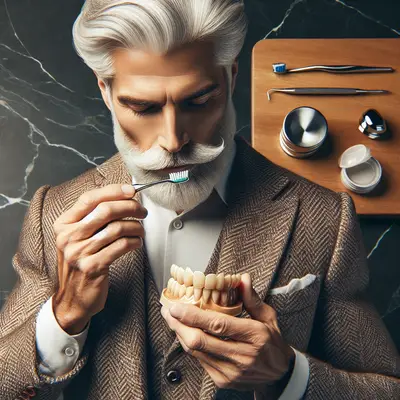
Oral hygiene, in the context of dentures, is less about basic “cleaning” and more about preserving a carefully curated aesthetic and protecting the health beneath it. Elegant dentures deserve a routine that feels intentional, measured, and quietly meticulous. This is the art of tending not only to the prosthetic itself, but to the tissues, bone, and microbiome that support your smile. Below, you’ll find a refined approach to oral care, along with five exclusive insights that discerning denture wearers often rely on—but rarely discuss.
Reframing Oral Hygiene: Caring for the Foundation, Not Just the Denture
High-quality dentures can be so natural and seamless that it’s easy to forget they depend on a living foundation: your gums, bone, tongue, and remaining teeth (if you wear partials). A premium oral hygiene routine recognizes that the real luxury lies in preserving that foundation for as long as possible.
This means caring for your mouth even when the denture is not in place. Massaging the gums with a soft, moistened brush or damp gauze can promote circulation, helping to keep the tissue firm and resilient. Gentle tongue cleaning, especially near the back, disrupts bacterial buildup that can dull the freshness of your breath and alter how your denture feels against the palate. If you have natural teeth remaining, meticulous plaque control around them is non-negotiable; they anchor your prosthesis and support facial structure. In essence, your routine should be orchestrated around the mouth as a living system—your dentures are the finishing touch, not the starting point.
Selecting Cleansers with the Same Care You’d Give Fine Fabrics
Your denture is a finely crafted medical device, not a dish or a piece of jewelry. Treating it with the wrong products can prematurely age the material, roughen its surface, and invite staining and odor. True refinement lies in choosing products as deliberately as you chose the denture itself.
A non-abrasive denture cleanser—never ordinary toothpaste—is essential. Many toothpastes contain particles designed to scour enamel, which can scratch acrylic or porcelain and create microscopic grooves where pigment and bacteria cling. Those same grooves can make a pristine prosthesis look dull and feel less smooth against the tongue. Opt for cleansers specifically labeled for dentures or removable prosthetics, and always follow the manufacturer’s soaking time recommendations. Over-soaking in strong solutions can lighten pink acrylic or weaken metal clasps over time.
Exclusive Insight #1: Alternate Your Cleansers for a “Spa-Grade” Routine
Rather than using the same product every day, some experienced denture wearers rotate between:
- A gentle daily cleanser for routine debris
- An enzymatic or antimicrobial soak once or twice a week to refine and reset
This layered approach is similar to a skincare regimen with both daily maintenance and weekly treatments, keeping your denture both impeccably clean and structurally respected.
The Fine Line Between Secure Fit and Over-Reliance on Adhesive
Denture adhesive can provide a reassuring sense of security, especially for social occasions or long days. However, a sophisticated oral care approach treats adhesive as a finishing touch, not a crutch that compensates for a poor fit or overdue adjustment.
A properly fitting denture should feel comfortably stable even before adhesive is applied. When you rely excessively on adhesive to “force” a fit, two issues arise. First, excess product can trap food particles and bacteria, creating a perfect environment for irritation and odor. Second, you may overlook subtle changes in gum shape or bone resorption—changes that your dentist should evaluate and manage with adjustments or relines.
Exclusive Insight #2: Use Adhesive as a Fit Indicator, Not Just a Stabilizer
If, over time, you find yourself needing more adhesive than usual for the same level of stability, take it as a quiet cue rather than a minor nuisance. This shift can signal that your denture requires professional adjustment or a reline. Addressing it early preserves both comfort and tissue health—and prevents small problems from becoming visible issues.
Nighttime Rituals: Where True Denture Luxury Lives
What you do with your dentures at night often defines their longevity and your oral health more than any other single habit. Nighttime is when your mouth recovers, rehydrates, and recalibrates; your care ritual should support that restorative process rather than compete with it.
Sleeping with dentures in can increase the risk of fungal infections (such as denture stomatitis), gum irritation, and chronic soreness. Removing them allows saliva to bathe the tissues, reduces pressure on the underlying bone, and gives the mucosa time to rest. Meanwhile, your dentures can be immersed in a cleanser or plain water (never hot enough to warp them), staying hydrated and dimensionally stable.
Exclusive Insight #3: Pair Denture Removal with a Deliberate Oral “Reset”
A refined nighttime routine includes three quiet steps after denture removal:
- Gum and ridge care – Gently brush or wipe the gums and palate to remove plaque and stimulate circulation.
- Tongue and cheeks – Softly clean these surfaces to reset the oral environment and support fresher morning breath.
- Drying the denture briefly before soaking – Patting the denture dry before placing it in solution allows the cleanser to contact the surface more effectively, enhancing its performance without extending soak time.
This ritual turns the simple act of “taking them out” into a considered practice of restoration—for both the mouth and the prosthesis.
Texture, Temperature, and Tannins: Curating What You Eat and Drink
Your daily menu can either preserve the elegance of your denture or quietly erode it. While modern materials are impressively resilient, they are not immune to staining, micro-fractures, and long-term wear patterns.
Exceptionally hard foods (such as cracking nuts with your dentures or biting down on hard candies) can place asymmetric stress on certain areas of the prosthesis. Over time, that can contribute to hairline fractures or subtle distortion in how the denture distributes pressure along your gums. Similarly, very hot liquids may not instantly damage high-quality acrylics, but routinely exposing dentures to temperature extremes can affect their long-term integrity and fit.
Then there are tannins: the pigments in coffee, tea, red wine, and certain berries that can gradually dull the shade of your prosthetic teeth and stain the pink acrylic.
Exclusive Insight #4: Create “Buffer Moments” Around High-Stain and High-Heat Indulgences
Instead of rigidly avoiding favorites, many refined denture wearers take a more nuanced approach:
- After coffee, tea, or red wine, discreetly sip cool water to dilute and rinse pigments before they settle into microscopic surface irregularities.
- Avoid moving directly from icy drinks to very hot beverages while wearing dentures; extreme temperature swings can contribute to material fatigue.
- If you frequently enjoy richly pigmented foods and drinks, schedule slightly more frequent professional cleanings or polishing of your dentures to maintain their original luminosity.
This way, you preserve both your lifestyle and the luminous, natural look of your prosthesis.
Breath, Microbiome, and the Subtle Power of Saliva
Fresh breath is one of the quietest yet most powerful hallmarks of refined denture care. While mouthwash can temporarily mask odors, it’s the underlying oral environment that ultimately determines whether freshness endures.
A healthy oral microbiome—with a balanced mix of bacteria and sufficient saliva—helps break down food particles, neutralize acids, and limit odor-producing compounds. Dry mouth (xerostomia), common with certain medications or age, can quickly shift that balance, leading to persistent bad breath, sore tissues, and increased plaque on both dentures and remaining teeth.
Exclusive Insight #5: Treat Saliva as a Key Asset in Your Hygiene Strategy
Rather than reaching solely for stronger mouthwashes, consider a more strategic approach:
- Favor alcohol-free rinses to avoid compounding dryness.
- Discuss chronic dry mouth with your dentist or physician; saliva substitutes, oral moisturizers, or sugar-free lozenges with xylitol can help.
- Hydrate steadily throughout the day, especially if you frequently speak, present, or socialize with your dentures in.
By respecting saliva as an essential ally, you support fresher breath, more comfortable tissues, and a smoother, more natural glide between your denture and the oral tissues.
Conclusion
Oral hygiene for denture wearers is ultimately about stewardship. It is the quiet, consistent attention to fit, cleanliness, tissue health, and subtle environmental factors that preserves not only your prosthesis, but the confidence it represents. When cleansers are chosen thoughtfully, adhesives are used intelligently, nighttime routines are honored, dietary choices are curated, and saliva is protected, your dentures cease to be a mere replacement—and become an impeccably maintained part of your overall presence.
In this refined approach, every small decision contributes to a single, polished result: a smile that feels as considered and enduring as the rest of your life.
Sources
- American Dental Association – Dentures - Overview of denture types, care recommendations, and professional guidance
- Mayo Clinic – Dentures: Options, Care and Adjustments - Explains maintenance, fit issues, and when to seek adjustments
- National Institute of Dental and Craniofacial Research – Dry Mouth - Details the impact of dry mouth on oral health and strategies to manage it
- Colgate Oral Care Center – Cleaning Dentures: Best Practices - Practical guidance on cleaning methods and product selection for dentures
- Cleveland Clinic – Dentures and Partial Dentures - Discusses denture care, fit, and oral tissue health considerations
Key Takeaway
The most important thing to remember from this article is that this information can change how you think about Oral Hygiene.